

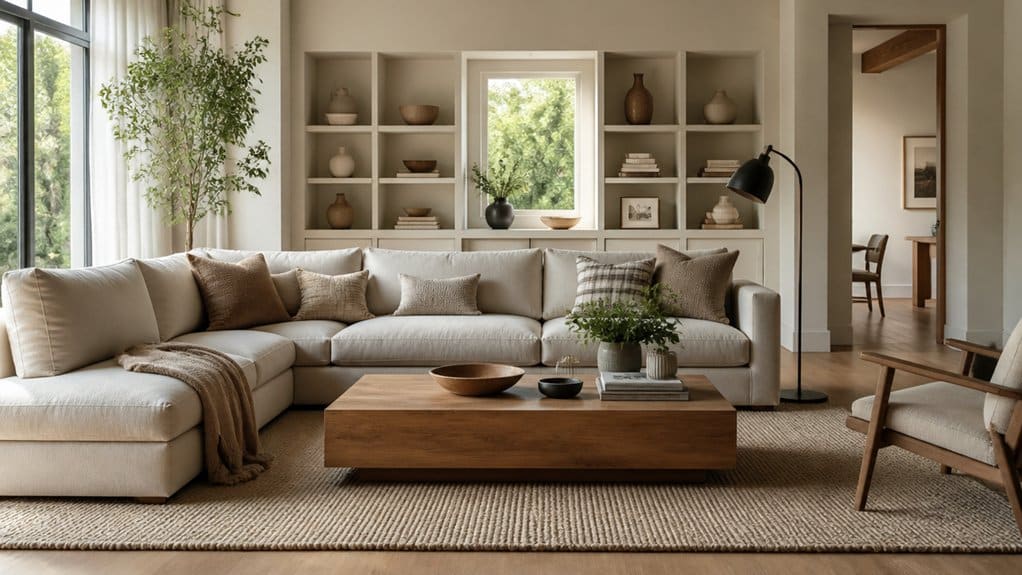
A successful room overhaul starts with the way you live, not with a paint color or a new sofa. Identify what isn’t working, then plan around your room’s dimensions, budget, lighting, storage, and daily routines. Choose durable finishes and personal details that make the space feel like yours without sacrificing function. Before you move a single piece of furniture, one overlooked planning step can prevent costly mistakes.
Identify What Your Room Overhaul Must Fix
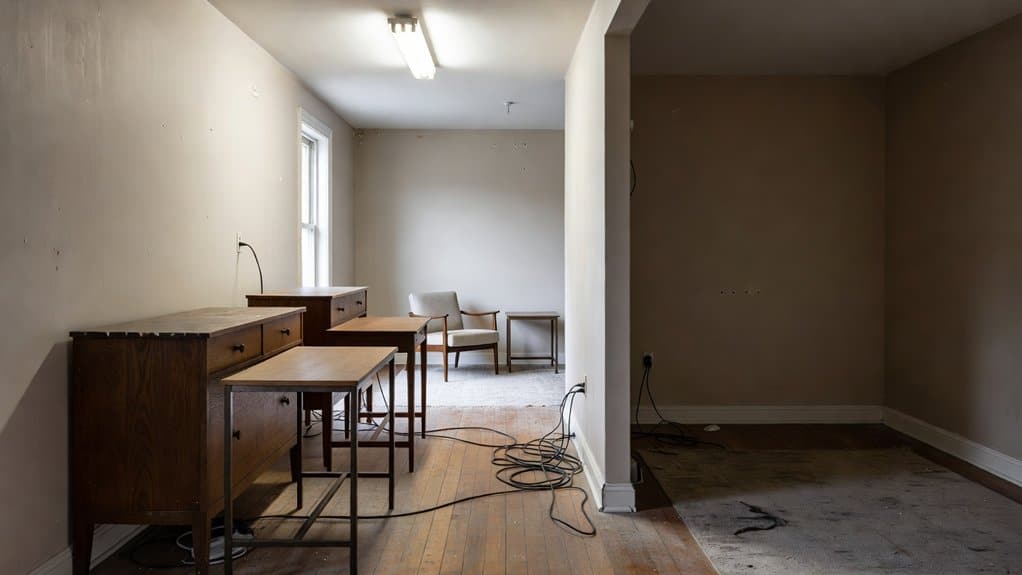
Before choosing new furniture or paint, identify what isn’t working in your room. Notice where daily routines feel awkward, what looks cluttered, and which features you avoid using. Ask yourself whether poor lighting, uncomfortable seating, limited storage, or a lack of privacy causes the most frustration. Separate persistent problems from temporary annoyances so you can prioritize changes that will improve everyday life.
Then define what success should look like. You might want a calmer place to rest, a more practical work area, or a welcoming space for guests. Check whether existing furniture, finishes, or color schemes contribute to the problems before replacing them. Decide which items deserve repair, removal, or a new purpose.
Save decorative accents for later; first, focus your overhaul on the specific issues that matter most to you.
Measure Your Room and Plan the Layout
Once you know what the overhaul needs to fix, measure the room before planning where anything will go. Record each wall’s length, ceiling height, and the positions of doors, windows, outlets, and fixed features. Note which way doors swing and how much clearance you need around them.
Sketch the room to scale, then mark possible furniture placement. Leave clear paths between entrances and frequently used areas, and check that drawers, cabinets, and windows can open fully. Measure existing furniture and compare its dimensions with the available space; don’t rely on visual estimates.
Try more than one arrangement before settling on a plan.
Use the sketch to test how natural light reaches key areas and where task lighting may help. Consider color schemes alongside the layout, since darker tones can make a compact room feel smaller. Keep the plan flexible enough to accommodate daily routines and changing needs.
Set Your Room Overhaul Budget
Set a firm budget before you choose finishes or buy furniture. Start your budget planning with a clear spending limit, then divide it among labor, materials, furnishings, and delivery.
Use your room measurements and layout to estimate quantities; accurate cost estimation helps you compare options without guessing.
Request written quotes for major work, and check whether they include removal, preparation, and cleanup.
Price essential items first, then set aside 10 to 15 percent for unexpected repairs or price changes.
If your estimates exceed the limit, adjust scope before compromising on safety or durability.
Keep a simple spreadsheet with estimated and actual costs, receipts, and payment dates. Review it whenever you approve a purchase.
This approach helps you make deliberate trade-offs, control spending, and finish the overhaul without unwelcome financial surprises.
Plan Lighting for Comfort and Flexibility
Good lighting makes a room more comfortable and adaptable throughout the day. Start by identifying what you do in each area: reading, relaxing, working, or entertaining.
Then layer ambient light for overall visibility, task lighting for focused activities, and accent lighting to highlight architectural details or artwork. This combination gives you control without relying on a single harsh ceiling fixture.
Choose adjustable fixtures, such as swing-arm lamps or directional sconces, so you can aim light where you need it. Add dimmers to vary brightness and reduce glare in the evening.
Smart lighting can automate schedules, adjust color temperature, and let you control multiple lights from your phone or voice assistant.
Before installation, check outlet locations, switch access, and bulb compatibility. Test your plan at different times of day, and refine placement to suit your routines.
Build Storage Into Your Room Design
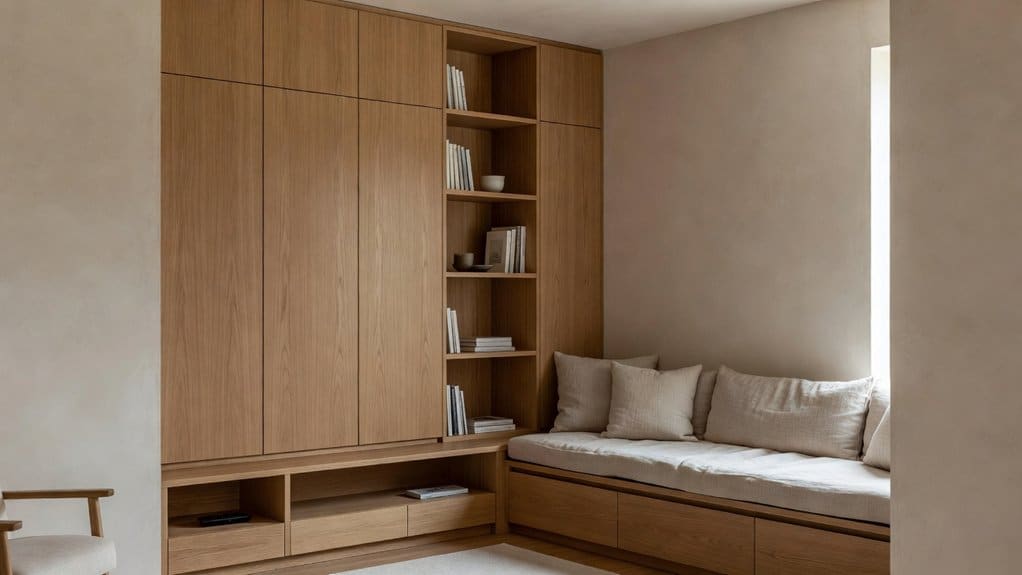
Thoughtful storage keeps a room organized without sacrificing comfort or style. Start by listing what you use daily, then assign each item a convenient home. Place frequently reached essentials near where you need them, and reserve higher shelves or deeper cabinets for occasional items.
Built-in benches, bed drawers, and console cabinets can add capacity without crowding your floor plan. Use hidden compartments to tuck away remotes, chargers, or paperwork while keeping surfaces clear.
Modular shelving lets you adjust the layout as your needs change, whether you’re displaying books or storing baskets. Measure carefully before choosing units, and account for door swings, walkways, and access to outlets.
Pair open and closed storage to balance easy access with a calm appearance. When every item has a designated place, you’ll spend less time tidying and more time enjoying your room.
Choose Durable Finishes for Everyday Use
Because everyday use can quickly expose weak materials, choose finishes that stand up to wear and are easy to maintain. For floors, consider porcelain tile, quality engineered wood, or resilient luxury vinyl; match each option to your traffic, moisture, and cleaning needs.
In busy areas, select washable paint with a durable sheen, such as satin or eggshell, and use scrubbable finishes where fingerprints and scuffs are likely.
For countertops and tabletops, compare resistance to scratches, heat, and stains before you commit. Check product specifications rather than relying on appearance alone, and weigh maintenance considerations, including sealing, specialized cleaners, and repair requirements.
If sunlight or outdoor exposure affects the room, verify exterior durability and UV resistance.
Test samples under your lighting, then choose materials that balance longevity, comfort, and practical upkeep.
Add Personal Touches That Suit Your Room
Once durable finishes are in place, make the room feel like yours with personal touches that fit its purpose and style. Choose items that support how you use the space: display favorite books near a reading chair, add framed photographs to a family room, or hang a useful calendar in a home office. These choices make Personal expression practical, not merely decorative.
Use color, art, textiles, and lighting to refine the room’s character. Repeat a few tones from your existing palette so new pieces feel intentional, and vary textures to add depth without clutter.
For Style customization, mix meaningful objects with functional accents, such as patterned cushions or a distinctive lamp. Edit as you go: keep what serves the room or matters to you, and remove anything that competes for space or attention.
Frequently Asked Questions
How Long Does a Typical Room Overhaul Take?
A typical room overhaul takes two to six weeks, depending on its scope, contractor availability, and delivery times. You can refresh paint, furnishings, and lighting in a few days, but renovations involving flooring, electrical work, or custom cabinetry often take longer.
Set a realistic schedule, confirm product lead times, and build a contingency into your Decorating budget. Finalize your Color palette early so you can order materials promptly and avoid delays from last-minute changes.
Do I Need a Permit for a Room Renovation?
You may need a permit for a room renovation; the rules are the gatekeepers, not red tape to ignore. You can usually paint, replace flooring, or swap fixtures without one, but structural changes, new windows, electrical or plumbing work often require approval.
Check your local Building codes and contact your building department before starting. The permit process varies by location, so confirm requirements, fees, and inspections to keep your project safe and compliant.
Should I Hire an Interior Designer or Manage the Project Myself?
Hire an interior designer if you need expert planning, coordinated selections, or help avoiding costly mistakes.
Manage the project yourself if you have time, confidence, and a straightforward scope.
Compare fees with your Budget considerations, including potential savings from professional guidance.
Gather design inspiration before deciding, then assess how comfortably you can turn ideas into plans, source materials, and coordinate contractors.
You can also hire a designer for limited consultations while managing the work yourself.
How Can I Reduce Disruption While the Work Is Underway?
You can reduce disruption by planning work zones, setting clear hours, and protecting daily essentials. A typical home renovation can generate 60–90 decibels—about as loud as a busy restaurant—so prioritize Noise control with temporary barriers, closed doors, and hearing protection.
For effective Scheduling tips, group noisy tasks into agreed time blocks, confirm deliveries ahead, and keep one room usable. Share updates with your crew daily, and arrange temporary workspace or childcare when needed.
What Should I Do With Furniture and Belongings During the Overhaul?
Move furniture and belongings out of the work zone before construction begins.
For Furniture placement, keep essential pieces in a clean, protected room, and leave clear paths for workers.
Use Belongings storage such as labeled, sealed bins for small items; wrap fragile pieces and electronics separately.
Photograph furniture arrangements and label hardware before disassembly.
Cover anything that must remain with sturdy drop cloths, but don’t block vents, outlets, or access needed for the overhaul.
Keep valuables with you.
Leave a Reply