

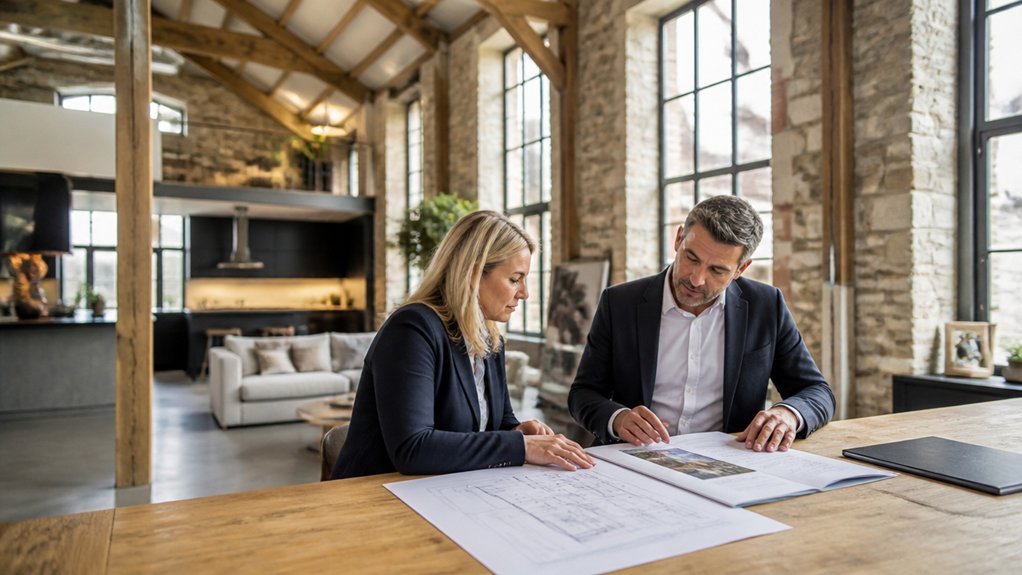
A converted chapel with a contemporary kitchen and original stained glass may attract buyers for very different reasons—and those features won’t automatically translate into a higher valuation. When you speak with an estate agent, ask how they assess comparable sales, specialist work, planning permissions and ongoing maintenance costs. Their answers should show whether the suggested price reflects evidence and current demand, or rests on assumptions that could leave you exposed.
How Much Experience Do You Have Valuing a Bespoke Conversion?

Ask the estate agent how many bespoke conversions they’ve valued and whether those properties are comparable to yours. Experience matters because a converted building may combine unusual layouts, heritage features, specialist materials, or planning constraints.
Ask what kinds of conversions they’ve assessed and how recently. You’re checking whether their knowledge fits your property, not simply whether they’ve worked in the area.
During the Property appraisal, the agent should explain how they’ll assess the conversion’s condition, workmanship, usable space, and any restrictions that could affect buyer demand.
Ask how they’ll distinguish original features from improvements and account for incomplete or non-compliant work.
A sound Market analysis should also consider current buyer interest in properties with similar characteristics, rather than relying on broad assumptions.
Request a clear rationale for their valuation and the evidence behind it, so you can judge whether their expertise is relevant.
Which Comparable Sales Support Your Valuation?
Which recent sales underpin the agent’s valuation, and how closely do those properties match yours? Ask for addresses, sale dates and confirmed prices, not just a general estimate based on the Property market. Recent transactions usually offer stronger evidence than asking prices, which may not reflect what buyers actually paid.
Check whether the examples share your location, property type, size, condition and tenure. Differences can affect value, so ask the agent to explain any adjustments and identify sales that support the chosen figure.
If the evidence comes from a wider area or older transactions, ask why closer, more recent comparisons weren’t available.
You’re evaluating valuation accuracy, not simply the number of examples. A clear, documented rationale lets you judge whether the proposed price reflects current buyer demand and comparable properties.
How Do You Value My Conversion’s Special Features?
Ask how you assess distinctive features such as bespoke layouts or upgraded finishes.
Check whether you compare them with similar converted properties or adjust for differences.
Find out how you weigh each feature’s added value in your valuation.
Assessing Unique Features
Because a conversion’s value often depends on features that standard comparables don’t capture, ask the estate agent how they’ll assess its design, workmanship, planning history, and practical appeal.
Ask which features buyers are likely to value and how the agent will distinguish lasting quality from personal taste. Architectural uniqueness may strengthen appeal when distinctive proportions, retained materials, or thoughtful detailing serve everyday needs.
Historical significance can add interest, but its effect depends on documented provenance, conservation constraints, and buyer demand. Ask how the agent will verify permissions, assess the quality of alterations, and account for any restrictions that affect use or maintenance.
You should also discuss whether bespoke elements improve comfort, flexibility, or energy performance. A clear valuation should explain how each feature influences likely buyer interest, rather than assigning unsupported premiums to unusual design alone.
Comparing Similar Properties
When comparing your conversion with nearby sales, ask the agent to explain how they’ll adjust for differences in size, condition, layout, and location.
A converted barn, chapel, or warehouse may lack a direct match, so your agent should select the closest comparable sales and state why each is relevant.
Ask whether the evidence reflects completed sales rather than asking prices, and how recent the transactions are.
You’ll also want to know whether the comparison accounts for your conversion’s specific features without treating them as standard.
Request a clear breakdown of the adjustments, including any assumptions about buyer demand.
Check that the agent has considered planning permissions, building regulations, and other legal considerations affecting comparability.
This evidence helps you assess the valuation method and judge whether it supports your property investment decisions.
Weighing Added Value
A conversion’s original features can attract buyers, but their value depends on condition, usability, and market demand. Ask your agent how each feature affects the valuation, rather than assuming every distinctive detail adds a premium.
Historical significance may strengthen appeal when buyers value the building’s story, but it won’t guarantee higher offers. Architectural uniqueness can set your property apart, yet unusual layouts or costly maintenance may narrow its audience.
Ask the agent to identify comparable sales that demonstrate buyers’ willingness to pay for similar features. Find out whether the valuation accounts for restored materials, specialist craftsmanship, planning restrictions, and ongoing upkeep.
Request separate estimates for features that contribute measurable value and those that mainly support marketing. This evidence helps you distinguish genuine added value from subjective appeal and price your conversion realistically.
Could Planning or Building Regulations Affect Its Value?
Planning permissions and building-regulations approvals can affect a property’s value, so ask the estate agent whether past alterations were properly authorised and documented.
For a bespoke conversion, request evidence for extensions, changes of use, and structural work.
Planning regulations determine whether the property’s current use and alterations comply with local policy; unresolved breaches may limit future changes or deter buyers.
Building codes govern safety and construction standards, so ask whether completion certificates or inspection records exist.
If documents are missing, find out whether the agent has assessed the risk and how it may influence the valuation.
You can also ask whether any conditions, enforcement notices, or restrictions apply.
A clear paper trail can support buyer confidence, while uncertainty may prompt caution, affect lending options, and reduce the price buyers will offer.
How Do Condition and Specialist Features Affect the Price?
Ask your agent to assess the property’s overall condition and identify repairs that could affect its price.
Find out whether specialist features add value for likely buyers, rather than just reflecting your preferences.
Weigh any premium against ongoing maintenance costs and the work needed to keep those features in good order.
Assessing Overall Condition
How much does a property’s condition affect its price? Ask your estate agent to separate visible wear from defects that could require substantial work. Request a room-by-room assessment covering the roof, structure, damp, services, windows and finishes. You’ll need to know which issues affect safety, mortgageability or buyer confidence, and which simply reflect dated decoration.
For a converted property, ask how the agent has assessed alterations and whether they appear sound, compliant and properly documented. Historic significance and architectural uniqueness may shape buyer interest, but don’t let them obscure the cost of repairs or the quality of upkeep.
Ask what evidence supports the condition rating, including surveys, certificates and maintenance records. Then clarify how any necessary work has influenced the suggested valuation, and whether comparable sales involved properties in similar condition. This helps you distinguish market appeal from repair liability.
Valuing Specialist Features
Specialist features can raise a property’s value, but only when buyers prize them and they’re in sound condition. Ask your agent which features local buyers value and what evidence supports their assessment. Historic significance may distinguish a converted property, while original Architectural details can strengthen its appeal when they remain intact and suit the building’s character.
Condition affects how buyers interpret those features. A well-preserved staircase, exposed beams or period windows can signal authenticity; altered or damaged elements may weaken that impression.
Ask whether comparable sales include similar features, and how much those details influenced achieved prices. Your agent should separate their contribution from location, size and overall presentation rather than assign an unsupported premium.
Request a valuation range and the assumptions behind it. This helps you understand which features genuinely affect market value, rather than relying on their personal or historical appeal alone.
Weighing Maintenance Costs
Condition can affect price as much as a property’s distinctive features. Ask your estate agent how the survey’s findings affect the valuation, and whether visible wear points to deeper issues.
A converted barn, mill or chapel may need specialist repairs, so request evidence of recent work and estimates for outstanding defects. Maintenance costs can reduce buyer confidence when they’re uncertain or unusually high; documented upkeep can support the asking price.
Consider Long term expenses, not just immediate repairs. Ask whether the roof, windows, heating system and drainage require specialist materials or contractors, and how often they need attention.
Check whether listed status or unusual construction limits repair options. Your agent should distinguish essential work from optional improvements and explain how each affects comparable sales. Use that assessment to judge whether the proposed price reflects the property’s condition and ongoing obligations.
What Valuation Range Is Realistic in Today’s Market?
Ask the estate agent for a realistic valuation range, not just a headline asking price.
For a bespoke converted property, ask how the agent has weighed comparable sales, current demand, and market trends.
A range should reflect differences in location, layout, finish, and buyer appetite, rather than rely on a single nearby sale.
Request the evidence behind the lower and upper figures, including which properties the agent considers genuinely comparable and why.
Your property history can also affect buyer confidence and value.
Ask whether the conversion’s age, documented approvals, alterations, or distinctive features influence the estimate.
Clarify how quickly similar homes have sold and whether achieved prices match asking prices.
The agent should explain the assumptions behind the range and identify factors that could shift it.
This gives you a grounded benchmark for judging the proposed asking price.
What Can I Do Before the Valuation?

Before the valuation, prepare a concise record of the property’s key features, conversion history and any documented approvals or alterations. Include plans, building-control certificates, warranties and invoices that support the quality and cost of the work. Note bespoke materials, specialist installations and energy-efficiency measures, since these may influence buyer appeal but won’t necessarily recover their full cost.
Check that your paperwork addresses Legal considerations, including planning permission, listed-building consent, building regulations and any restrictions on use. Tell the agent about unresolved issues rather than leaving them to emerge later.
Review Property insurance details, especially cover for unusual construction or specialist features, and confirm that the property’s use matches the policy. Tidy accessible areas, provide clear access to converted spaces and prepare a list of recent comparable sales.
Ask the agent which documents would help them assess value accurately.
Frequently Asked Questions
How Long Will the Valuation Appointment Take?
Your valuation appointment will usually take 30 to 60 minutes, though a complex property can stretch the clock.
You’ll spend longer if the agent needs to inspect unusual property features, measure rooms, or discuss renovations and planning details.
Market trends won’t lengthen the visit much, but reviewing comparable sales may prompt extra questions.
To keep things moving, prepare floor plans, improvement records, and relevant certificates before the agent arrives.
What Documents Should I Provide Before the Valuation?
Before the valuation, provide your title deeds, floor plans, planning permissions, building regulations certificates, and records of any extensions or conversions.
Include warranties, guarantees, listed-building consent, and invoices for significant improvements.
Share recent surveys and details of comparable sales, if available.
This Property history helps your agent understand the home’s specification and condition, supporting valuation accuracy.
Flag any unresolved defects or restrictions, too, so the agent can assess their likely effect on value.
Will You Explain How You Reached Your Valuation Figure?
Yes—you can ask your agent to explain how they reached the valuation figure. What evidence supports it? Request a clear breakdown of the property appraisal, including comparable sales, adjustments for your home’s features and condition, and current market trends.
Ask which assumptions influenced the estimate and whether any uncertainties remain. A transparent valuation process should show how each factor shaped the final figure, so you can assess its reasoning and discuss any details the agent may have overlooked.
How Soon Will I Receive the Written Valuation Report?
You should ask your agent to confirm the delivery date before the Property appraisal begins. Many provide a written report within a few days, though complex conversions may take longer.
Request a firm timeframe and check whether it includes a Market comparison, supporting evidence, and any assumptions.
If you need the report for a sale, mortgage, or legal matter, tell your agent upfront so you can agree on a deadline and avoid delays.
Do You Charge a Fee for the Valuation?
You may or may not pay for a valuation; ask the agent directly before booking. Some agents offer an initial estimate at no cost, while others charge for a formal report, especially when your property’s bespoke conversion requires specialist assessment.
Clarify the fee structure, what the quoted price includes, and whether you’ll owe anything if you don’t proceed with a sale.
Confirm these details upfront so you can compare providers and understand the valuation process.
Leave a Reply