


When you replace a laminate countertop with quartz, you’re choosing a finish that can handle daily use while keeping the kitchen polished. This year’s renovation trends bring that same balance to the rest of your home: natural materials, earthy colors, layered textures, and flexible layouts that support everyday life. Curved forms and considered lighting add character without sacrificing function. The key is knowing which updates will last—and which details can make the biggest difference in your space.
Bring Warm Natural Materials Into Your Home

Bring warmth and texture into your home with natural materials such as wood, stone, wool, and linen. These surfaces add depth while creating a comfortable, lived-in feel.
Use natural wood accents on cabinetry, shelving, or a dining table to introduce visible grain and lasting character. Choose finishes that highlight the wood rather than conceal it, and balance substantial pieces with lighter details so rooms don’t feel crowded.
Organic textile choices can soften hard surfaces and improve everyday comfort. Layer linen curtains, wool rugs, or cotton cushions where you want warmth and practical durability. Check fiber content and care instructions before buying, especially for high-traffic areas.
Stone works well on countertops, fireplace surrounds, or floors, where its natural variation gives each installation a distinct look. Repeat a few materials across adjoining rooms to create continuity without making every space identical.
Let texture, craftsmanship, and function guide your selections.
Choose Earthy Colors That Stay Timeless
Choose earthy colors to give your home a calm, lasting foundation. Build your palette around warm whites, muted greens, clay, and soft browns. These shades feel grounded without tying your rooms to a passing trend, and they work well with the natural materials you’ve already brought into your home.
Before choosing paint, test samples on several walls and observe them in morning and evening light. A color can shift noticeably as daylight changes.
Select Eco friendly paints with low volatile organic compound levels to help maintain healthier indoor air. Check product labels and ventilation guidance before application.
For continuity, coordinate wall colors with Sustainable flooring options, such as responsibly sourced wood or cork. You don’t need to match every finish; choose undertones that complement one another.
Keep larger surfaces restrained, then use deeper earthy shades where you want definition. This approach makes future updates easier without sacrificing character.
Mix Textures to Make Rooms Feel Personal
Once your earthy color palette is set, layer textures to give each room a more personal feel. Start with a few materials that contrast without competing: pair smooth wood with nubby wool, or polished stone with woven fibers. This balance adds depth while keeping your rooms calm and cohesive.
Use layered textiles to make practical spaces more inviting. Drape a linen throw over a sofa, add a tactile cushion, or place a wool rug beneath your dining table. Choose fabrics that suit how you live and can handle regular use.
Bring in personalized decor through objects with meaning, such as handmade ceramics, framed prints, or a basket from your travels. Vary finishes and scale, but repeat one or two materials across the room. You’ll create a collected look that feels distinctly yours.
Use Curved Furniture to Add Character
Curved furniture softens the straight lines of a room and makes the layout feel more inviting. Choose a rounded sofa or accent chair to create a clear focal point.
Balance its curves with linear pieces so your space feels composed, not crowded.
Soften Room Lines
Straight lines can make a room feel rigid, but rounded furniture softens the look and adds character. Choose a curved sofa, oval coffee table, or barrel chair to ease sharp angles and create a more welcoming flow. You don’t need to replace every piece; one or two rounded forms can balance a room dominated by rectangular furniture.
Look beyond furnishings, too. Curved wall accents can soften hard edges without taking up floor space, while rounded ceiling designs bring gentle contours overhead. Keep the effect cohesive by repeating a curve in more than one place, such as pairing an arched mirror with a rounded side table.
Measure carefully before buying, and leave enough clearance for comfortable movement. With thoughtful proportions and a restrained mix of shapes, you can make your room feel relaxed, polished, and easy to use.
Create a Focal Point
A curved sofa or sculptural armchair can give a room a clear focal point while adding character. Choose a piece with a silhouette that suits your space: a rounded sofa can anchor an open living area, while a distinctive chair can draw attention to a quiet corner.
Position it where you want the eye to land, such as opposite the entrance or beside a window. Then keep nearby furnishings simple so the shape remains prominent. Minimalist decor, including restrained colors and uncluttered surfaces, helps the furniture stand out without making the room feel busy.
Use artificial lighting to highlight its contours; a floor lamp or focused ceiling fixture can reveal the form after dark. Before buying, measure carefully and check that the piece fits your room’s scale and circulation needs.
Balance Curved Shapes
To balance curved shapes, pair rounded furniture with a few clean-lined pieces so the room feels intentional, not overly soft. A curved sofa or sculptural armchair can soften a boxy layout and give your space a welcoming focal point.
Anchor it with a rectangular coffee table, streamlined shelving, or a crisp-edged rug to create contrast. This mix supports organic design without making the room feel unstructured.
Consider scale, too: a generous rounded piece needs enough open space around it to show its silhouette. Repeat curves sparingly in a mirror, lamp, or side table to build fluid aesthetics, then use straight lines to keep the composition grounded.
Choose fabrics and finishes that suit your palette, and test furniture placement before committing. You’ll add character while preserving balance and function.
Plan Flexible Layouts for Everyday Life
How should your home adapt as work, family, and leisure needs change? Start by identifying which activities compete for space and when you need each area. A dining table can double as a work surface, while a guest room can serve as a study between visits. Choose space-saving furniture, such as nesting tables or storage benches, to keep pathways clear and belongings organized.
Modular room designs give you more options as routines shift. Use movable shelving or lightweight screens to define zones without committing to permanent walls. Before renovating, map traffic flow and measure furniture so each arrangement feels practical, not cramped.
Keep frequently used items close to where you need them, and preserve clear routes through shared spaces. With thoughtful planning, your home can support changing schedules without sacrificing comfort, privacy, or everyday function.
Use Lighting to Set the Mood and Improve Function
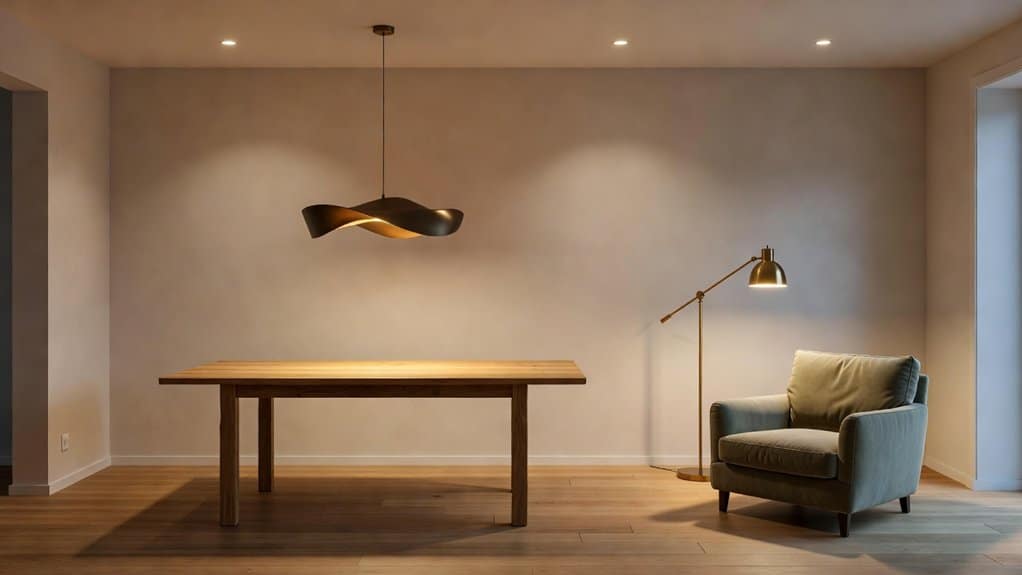
Good lighting makes each room more useful while shaping how it feels. Layer ambient glow with focused task illumination to support both comfort and daily routines.
Start by evaluating what you do in each space, then place fixtures where you need clear visibility. In a reading nook, add an adjustable lamp; over a desk, choose a fixture that reduces glare.
Use dimmers to shift brightness throughout the day and create a calmer evening atmosphere. Combine ceiling lights with wall sconces or table lamps, so you can adapt the room without relying on one harsh source.
Choose warm bulbs for relaxing areas and brighter, cooler options where you need concentration. Plan switches for convenient access, and consider natural light when positioning furniture.
Thoughtful lighting helps your rooms feel balanced, welcoming, and ready for everyday use.
Refresh Kitchens and Bathrooms With Durable Finishes
Kitchens and bathrooms need finishes that can withstand moisture, heat, stains, and daily wear. Choose porcelain or ceramic tile for floors and backsplashes; both resist water and clean easily.
For counters, consider quartz, which handles stains without sealing, or granite, which needs periodic maintenance. Use satin or semi-gloss paint on walls to make splashes easier to wipe away.
Protect your investment by matching materials to how you use each room. Install durable cabinet hardware, seal grout, and address leaks promptly.
Eco-friendly fixtures, such as low-flow faucets and showerheads, can reduce water use without sacrificing performance. High-tech appliances add convenience, but select models with reliable warranties and finishes that resist fingerprints.
Before buying, compare care requirements, repair options, and long-term costs so your updates stay practical and attractive.
Frequently Asked Questions
How Much Should I Budget for an Interior Renovation?
You might spend anywhere from a few thousand dollars to the price of a small spaceship on an interior renovation.
For a basic refresh, plan on $10–$60 per square foot; extensive remodeling can reach $100–$250 or more.
Your location, materials, labor, and project scope drive the total.
For accurate cost estimation, get multiple contractor quotes, add 15–20% for surprises, and prioritize essentials during budget planning.
Don’t start until you’ve set a firm spending limit.
How Long Does a Typical Home Renovation Take?
A typical home renovation takes a few weeks to several months. A whole-house remodel may take six months or longer. Your project’s size, permits, material availability, and unexpected repairs all affect timelines for remodels.
You can keep work on track with renovation planning strategies: finalize designs, order materials early, and agree on milestones with your contractor.
Build in extra time for delays, and ask for regular updates so you can adjust plans before small setbacks grow.
Do I Need Permits for Interior Renovations?
You may need permits for interior renovations, depending on your location and the work involved. Cosmetic updates, such as painting or replacing flooring, often don’t require approval.
However, changes to plumbing, electrical systems, structural walls, or HVAC usually do require permits. Check local Building codes and contact your municipal building department before work begins.
The permit process can involve submitting plans, paying fees, and scheduling inspections. Confirm requirements early to avoid delays, fines, or costly rework.
How Can I Choose a Reliable Renovation Contractor?
Choose your renovation contractor like you’d choose a guide through unfamiliar terrain: verify their experience before you follow. Check contractor credentials, including licensing, insurance, and relevant certifications, and confirm their standing with local authorities.
Ask for recent references, inspect completed projects, and compare detailed written bids—not just prices.
Clarify timelines, payment schedules, and who’ll manage permits.
Review renovation warranties and contract terms carefully, and trust your judgment if communication feels evasive or rushed.
Should I Move Out During a Major Renovation?
You should move out during a major renovation if crews will disrupt essential rooms, utilities, or safe access for several weeks. Temporary living can protect your health, reduce stress, and help workers stay on schedule.
If you remain, ask your contractor to explain dust control, noise, security, and utility shutdowns.
Weigh renovation disruption against lodging costs, project length, and your household’s needs.
Don’t stay if hazardous materials or unsafe conditions pose risks.
Leave a Reply