


A dated guest house can lose bookings long before its rooms become unusable; worn finishes, awkward layouts, and neglected details quietly shape what guests expect. You don’t need a costly rebuild to change that impression. A focused makeover can give the property a memorable local identity while improving comfort and day-to-day operations. The challenge is deciding which changes will matter most—and which upgrade transformed this guest house’s fortunes.
Why This Guest House Needed a Makeover
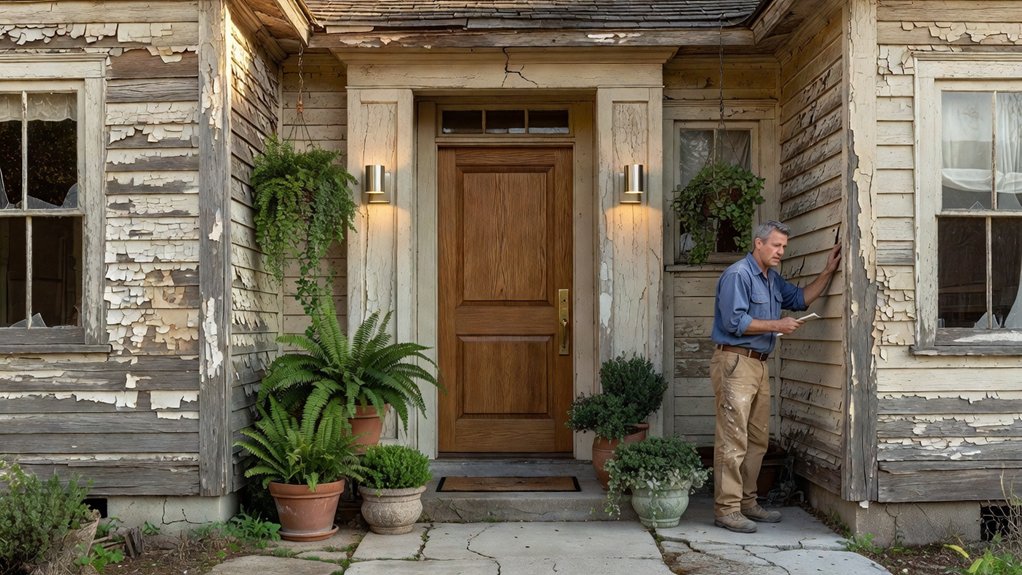
The guest house had charm, but worn finishes, dated furnishings, and an awkward layout kept it from feeling comfortable or inviting. You could see that age alone wasn’t the problem; neglected maintenance and inefficient use of space made the property harder to enjoy and operate.
Guests need clean, reliable rooms, practical storage, and clear circulation, while owners need durable materials that reduce upkeep. Without improvements, first impressions could undermine reviews and repeat bookings.
A thoughtful makeover would address these functional gaps before adding cosmetic changes. You’d also need to balance Historical preservation with essential repairs, protecting distinctive features while updating systems and finishes.
That approach can guide responsible investment and strengthen future Marketing strategies, giving you credible evidence of improved comfort, quality, and value without erasing the building’s character.
The Boutique Identity Guests Would Remember
To give your guest house a boutique identity, define a distinctive style that reflects its setting and suits your guests. Carry that style through furnishings, colors, and small details so the experience feels cohesive.
Then create memorable guest moments that make your property stand out long after checkout.
Defining A Distinctive Style
A successful makeover gives a property more than a fresh look—it gives guests a reason to remember it. To create a distinctive style, define what your accommodation stands for before choosing finishes. You might draw on local architecture, landscape, or history, then translate that inspiration into a clear design direction.
A restrained color palette helps rooms feel connected, while considered furniture selection balances character, comfort, and durability. Choose a few signature materials or shapes, and repeat them thoughtfully across shared spaces and bedrooms.
Consistency matters, but matching everything can make interiors feel generic. Instead, vary textures and details within the same visual framework. Before buying, assess each choice against your concept and guests’ practical needs.
This discipline turns individual decorating decisions into a recognizable boutique identity that feels intentional, cohesive, and true to your property.
Creating Memorable Guest Moments
What makes guests remember a stay long after checkout? They recall how your property made them feel, not just how it looked. Turn your boutique identity into thoughtful moments that reflect your character and place.
Introduce local traditions through a welcome drink, a small tasting, or a concise guide to nearby customs. Choose experiences you can deliver consistently, and explain their meaning without turning hospitality into a performance.
Add personalized touches by noting guest preferences, preparing a favorite tea, or suggesting an outing suited to their interests. These gestures needn’t be expensive; they should feel sincere and connected to your design story.
Train your team to offer help naturally, without scripting every interaction. Ask for feedback, observe what guests value, and refine details accordingly. When every moment feels considered, you create a distinctive stay guests will remember and recommend.
Design Choices That Changed the Guest Experience

You shape a better stay when your room layout makes it easy to move, unpack, and unwind. Layered, warm lighting helps guests shift comfortably from work to rest.
Together, these choices make your property feel more intuitive and welcoming.
Thoughtful Room Layouts
Thoughtful room layouts transformed the property by making every space feel more comfortable and intuitive to use. You can see the difference in clear pathways, well-placed furniture, and rooms that support both rest and everyday needs. Instead of filling rooms with oversized pieces, the redesign gives each item a purpose and leaves guests room to move.
In bedrooms, you’ll find beds positioned for easy access, storage close at hand, and seating that doesn’t obstruct circulation.
In shared areas, defined zones help you relax, dine, or work without competing for space.
The team used guest feedback—not artificial intelligence—to identify awkward layouts and guide practical changes. They also applied sustainability practices by reusing suitable furnishings and choosing durable, adaptable pieces. These choices make the accommodation easier to navigate and more welcoming.
Warm, Layered Lighting
By combining warm tones with layered light sources, the redesign made each room feel more inviting and easier to use. You notice the difference when lighting supports both mood and daily routines. Soft ceiling fixtures create an ambient glow, while bedside lamps let you read without flooding the room with brightness.
Focused task lights near mirrors and desks make practical activities easier, and dimmers give you control as daylight fades.
This layered ambiance also helps define each area without adding walls or clutter. You can settle in, find your way around, and adjust the atmosphere to suit the moment. Choose warm-white bulbs for comfort, then position fixtures to reduce glare and dark corners.
When you plan lighting around how guests actually use a space, you make the accommodation feel considered, calm, and distinctly more welcoming.
Which Upgrades Were Worth the Cost
The most worthwhile upgrades were the ones that solved visible problems and made the property more appealing to buyers. You’ll get the strongest return by addressing worn finishes, improving comfort, and making rooms feel clean and cohesive. Fresh paint, durable flooring, updated bathrooms, and reliable plumbing often matter more than costly statement pieces.
Your lighting improvements also earn their keep when they make rooms feel welcoming and help guests navigate safely.
Before choosing luxury upgrades, compare their cost with likely gains in nightly rates, occupancy, and resale appeal. A premium feature is worth paying for only if guests notice it and you can maintain it affordably.
Branding investments can also pay off when they clarify your property’s identity and support consistent pricing. Track each expense against its practical benefit; you’ll protect your budget while creating an experience guests value.
How the Guest House Makeover Came Together

Once the best-value upgrades were clear, the guest house makeover took shape around a practical plan: fix the most visible problems first, then coordinate finishes, lighting, and furnishings to create a comfortable, cohesive stay.
You can keep work efficient by grouping tasks in the right order. Repair walls and floors before painting; install lighting before final furnishings arrive. This sequence limits rework and helps each choice support the whole design. A consistent palette can make older rooms feel connected without erasing their character.
Choose durable, easy-care finishes for high-use areas, and reserve distinctive details for places guests notice. Local craftsmanship can add character through custom woodwork or handmade accents, while eco-friendly materials help reduce environmental impact. Check samples in the actual rooms, where daylight and existing features affect color and texture.
With a clear scope and coordinated decisions, you’ll turn separate upgrades into a unified transformation.
Getting the Boutique Guest House Ready to Reopen
Before welcoming guests back, complete a final walkthrough to confirm every room is safe, clean, and ready to use. Test locks, lighting, heating, plumbing, and alarms; check that linens, toiletries, and guest information are in place. Fix small defects now, before they disrupt a stay.
Next, prepare your team to deliver the service your new setting promises. Use staff training to rehearse check-in, housekeeping standards, accessibility procedures, and responses to common requests. Make sure everyone knows how to explain amenities and handle problems promptly.
Review your booking process, confirm rates and policies, and verify that contact details work. Build a concise welcome guide with transport advice, emergency information, and recommendations for local cuisine.
Finally, run a trial stay yourself. You’ll catch practical gaps that a checklist alone may miss before opening day.
What Changed After the Guest House Relaunched
After reopening, the guest house’s new design and service standards began shaping the experience from the moment guests arrived. You’ll notice clearer arrival instructions, welcoming staff, and rooms that balance character with practical comfort. These improvements don’t just look appealing; they help guests settle in quickly and feel confident throughout their stay.
Behind the scenes, the team can now track bookings, maintenance, and feedback more consistently. You’ll benefit from quicker responses and fewer avoidable disruptions.
The owners also strengthened ties with the local community, directing guests to nearby businesses and regional experiences. Their sustainability practices—such as reducing waste and monitoring energy use—make operations more responsible without compromising comfort.
Frequently Asked Questions
How Long Does a Guest House Makeover Typically Take?
A guest house makeover typically takes 8 to 16 weeks, though you may need several months for extensive structural work, permits, or custom furnishings. Your timeline depends on the property’s condition, contractor availability, and how quickly you make decisions.
Start with thorough Budget planning, then coordinate Interior design choices, ordering, and construction before work begins. Build in a contingency period for delays, and schedule renovations during quieter booking months to reduce lost revenue and guest disruption.
Do I Need Planning Permission to Renovate a Guest House?
You may not need planning permission for cosmetic updates, but you’ll usually need approval for extensions, major structural changes, or changes to the building’s use. Check with your local planning authority before work begins, since rules vary by location.
You’ll also need to meet Building regulations, even when planning permission isn’t required.
If your guest house is listed or in a conservation area, Historic preservation rules may require consent for alterations. Get written guidance before hiring contractors.
Can a Guest House Remain Open During Renovations?
Yes, you can keep your guest house open during renovations—if you can protect guests and meet local requirements.
Even a Roman-style makeover needs modern safeguards: prioritize Guest safety by separating work areas, controlling dust and noise, and keeping clear exits.
Check Renovation permits and insurance conditions before work begins; some projects require closure or restricted access.
Tell guests about disruptions before booking, schedule noisy tasks during daytime, and close affected rooms whenever hazards can’t be controlled.
How Can I Finance a Guest House Makeover?
You can finance a guest house makeover through savings, a business loan, refinancing, or staged improvements funded by operating revenue.
Start with Budget planning: price essential repairs, upgrades, permits, and a contingency fund before borrowing.
Ask your bank about repayment terms, compare lenders, and explore grants or energy-efficiency incentives.
Prioritize Interior design changes that improve guest appeal and bookings.
Keep your property’s cash flow and renovation timeline realistic, and avoid taking on debt you can’t comfortably repay.
What Insurance Should I Arrange During Renovation Work?
“Better safe than sorry”: arrange Insurance coverage before renovation work begins. Ask your broker about Renovation policies that protect the building, materials, and liability while contractors work.
Confirm whether your existing property insurance excludes construction-related damage, theft, or vacant periods.
Require contractors to carry workers’ compensation and public liability insurance, and verify their certificates.
Tell your insurer about project scope, costs, and timelines; update coverage as the work progresses and before guests return.
Leave a Reply