

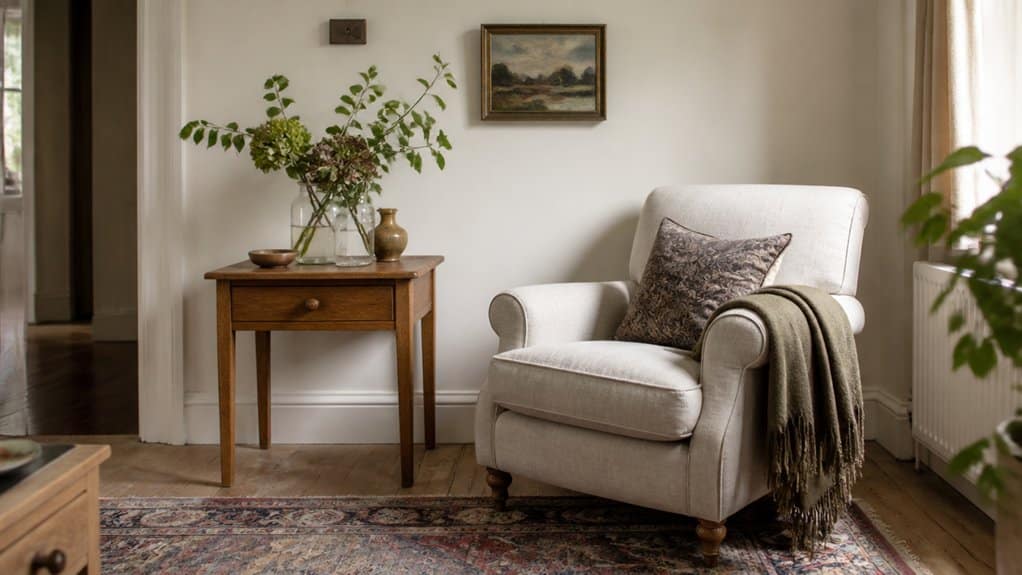
You don’t need a major renovation to make your home feel fresh. Start by setting a clear budget, then focus on changes that make the biggest difference, such as rearranging furniture, reusing items you own, or updating a wall with affordable paint. Small lighting and decor changes can also add warmth without costly work. The key is knowing which updates to tackle first—and which tempting expenses you can skip.
Set a Budget for Your Home Refresh
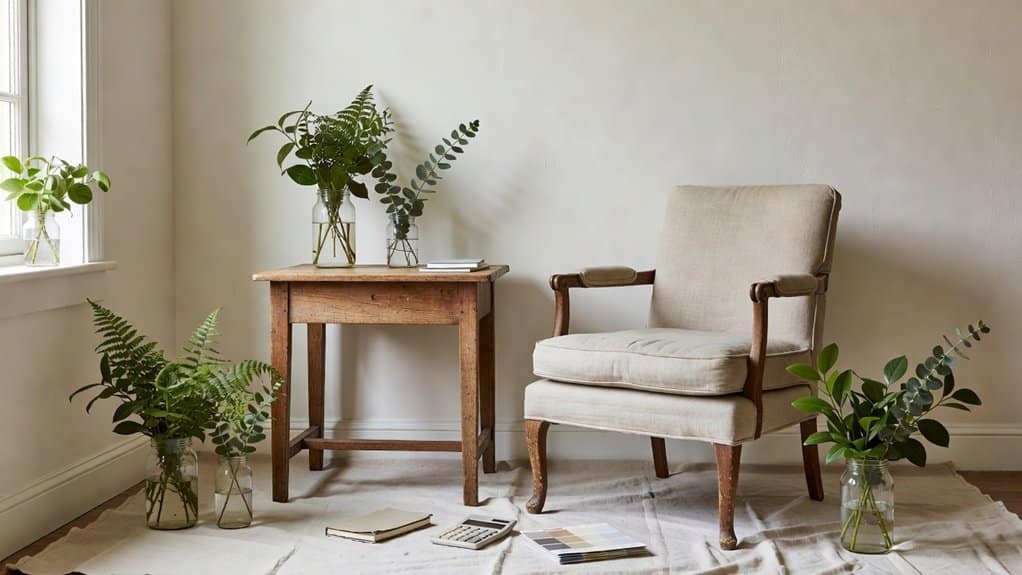
Before choosing paint colors or new furniture, decide how much you can comfortably spend on your home refresh. Review your savings, monthly expenses, and upcoming bills to set a realistic limit. Good budget planning starts with a total amount you can afford without relying on high-interest debt.
Then list the changes you want and estimate each one, including materials, delivery, and any labor. Add a 10 to 15 percent cushion for unexpected costs, such as repairs or price increases.
Use priority setting to separate essential fixes from nice-to-have upgrades. Address safety issues and worn surfaces first; postpone costly extras if they strain your limit.
Compare prices, check measurements, and look for durable options before buying. Track every purchase against your plan, and adjust the scope early if costs rise.
A clear budget helps you refresh with confidence and avoid overspending.
Rearrange Furniture for a Fresh Layout
You can refresh a room at no cost by changing how your furniture sits. Rethink the flow so you can move through the space easily and comfortably.
Then reposition a sofa, chair, or table to create a new focal point.
Rethink Room Flow
A fresh room layout doesn’t require new furniture—often, a smarter arrangement is enough. Start by observing how you move through the space. Clear paths between doors, windows, and frequently used areas make a room feel larger and work better.
Shift bulky pieces away from narrow walkways, and leave enough room to pull out chairs or open cabinets comfortably.
In an Open concept room, use zoning strategies to define dining, relaxing, or work areas without adding walls. Angle a sofa to separate the living space, or group chairs around a shared rug.
Before lifting anything, sketch a simple floor plan and measure key pieces; you’ll avoid unnecessary effort and costly mistakes. Try one change at a time, then live with the arrangement for a day. Keep what improves circulation and suits your routine.
Create New Focal Points
Give a room a fresh feel by choosing a new focal point, such as a window, fireplace, or favorite piece of art, then arrange furniture to draw attention to it. Pull seating into a conversational grouping, angle chairs toward the feature, and keep walkways clear.
You don’t need to buy new pieces; try swapping furniture between rooms or moving a sofa away from the wall. If the room lacks a natural feature, create one with Accent walls, a mirror, or statement art you already own.
Hang artwork at eye level, and use a lamp or a small table to give the arrangement balance. Before moving heavy items, sketch a simple floor plan or use painter’s tape to mark placements.
Test the layout for a few days before making further changes.
Repurpose Items You Already Own
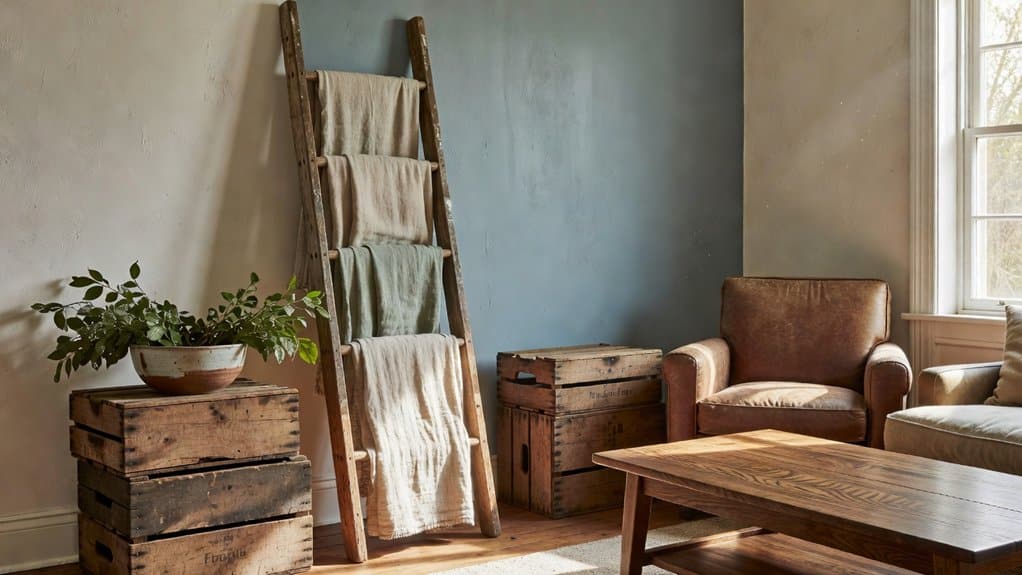
Before buying anything new, look at familiar belongings with fresh eyes. A simple change in purpose can give a room a fresh feel without adding to your renovation costs.
Try repurposing furniture before replacing it. Move a sturdy side table beside your bed, use a dresser for dining-room storage, or turn a bench into an entryway drop zone. Check each piece for stability, then tighten loose hardware and clean it well. Small repairs often make an old item useful again.
You can also try upcycling artwork. Reframe prints, group smaller pieces into a gallery, or display a decorative tray as wall art. If a frame doesn’t suit your space, swap it with one you already own.
Before rearranging, measure available surfaces and walkways so your refreshed layout stays comfortable and functional. Keep useful items accessible, and donate anything you won’t use.
Refresh Walls With Affordable Paint or Wallpaper
Once you’ve made the most of what you own, fresh wall color can change a room without a major renovation. Before buying supplies, test paint samples on different walls and view them throughout the day. Choose a color palette that complements your existing furniture, flooring, and textiles, so you won’t need to replace them.
A fresh coat of paint often delivers the biggest impact for the least money; prep surfaces carefully to avoid wasting product and time. For added character, consider affordable wall treatments such as peel-and-stick wallpaper on one accent wall, inside a bookcase, or in a small entryway.
Measure first, compare prices per square foot, and order a little extra for pattern matching. If you’re renting, check permission requirements and choose removable options that won’t damage the wall.
Improve Lighting Without Rewiring
Better lighting can change a room’s mood and function without the cost or disruption of rewiring. Start by replacing dim bulbs with brighter, energy-efficient LEDs in existing fixtures. Choose warm or cool color temperatures to suit each space, and check the fixture’s maximum wattage before buying.
Add plug-in floor and table lamps where you need focused or layered light; use timers or smart plugs to control them without new switches.
For a low-cost update, try DIY light fixtures, such as a pendant made from a ready-to-install plug-in kit. Keep cords tidy with clips, and never cover or pinch them.
Smart window treatments can also help you manage daylight: schedule blinds to open in the morning and close during harsh afternoon sun. You’ll improve comfort and reduce reliance on electric lighting, with no electrician required.
Add Texture With Affordable Decor
A few inexpensive layers can make a room feel warmer and more considered without changing its layout. Start with Textured textiles: add a chunky-knit throw, linen cushion covers, or a washable cotton rug to introduce depth without committing to costly upholstery. Mix a few finishes, such as nubby, smooth, and woven, so the room feels collected rather than cluttered. Reuse what you own by moving a blanket from the bedroom or covering a tired cushion with a removable slipcover.
For a tailored touch, try Decorative trims on plain curtains, lampshades, or cushion edges. Choose simple braid or fringe and attach it with fabric glue if you don’t sew. Keep colors within your existing palette, and repeat one texture in two places to create cohesion.
These small additions refresh familiar pieces and make your space feel more inviting.
Prioritize Updates by Cost and Impact
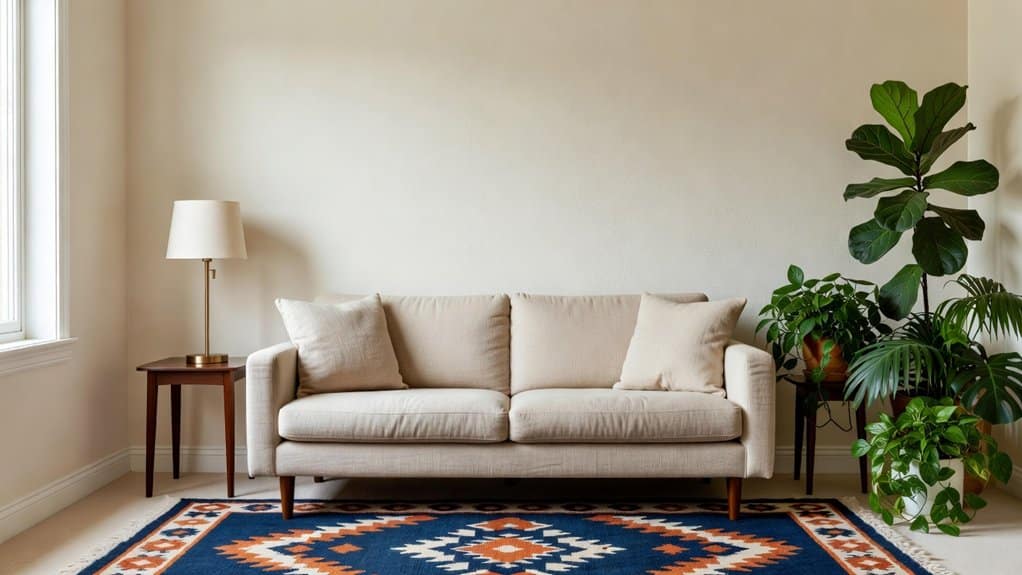
After adding texture with affordable decor, rank remaining updates by both cost and visible impact. List each project, estimate materials and labor, then note how much it’ll change the room.
Tackle high-impact, low-cost fixes first, such as repainting a focal wall, replacing dated cabinet pulls, or updating light fixtures. Compare prices for budget friendly materials, and include delivery costs so your estimates stay realistic.
Reserve larger expenses, like new flooring, for areas where wear is obvious and repairs won’t suffice. Use DIY decoration tips for simple tasks you can complete safely, but hire a professional for electrical work or complex installations.
Set a spending limit before shopping, and keep a small contingency for unexpected costs. Review your list as prices change, then choose the updates that fit your budget and priorities.
Frequently Asked Questions
How Can I Refresh a Rental Without Risking My Security Deposit?
Refresh your rental with reversible changes, and check your lease before making alterations.
Use Temporary wallpaper or Removable decals on clean surfaces, following product instructions and testing a hidden spot first.
Add color with rugs, cushions, lamps, and curtains hung from existing hardware.
Swap cabinet knobs only if you store the originals safely.
Photograph rooms before and after, keep receipts, and remove everything carefully before moving out.
Ask your landlord when you’re unsure about a change.
Which Sustainable Materials Work Well for Budget-Friendly Interior Updates?
You can stretch your budget with recycled wood, bamboo flooring, reclaimed tile, and recycled glass accents. Recycled wood adds character to shelves or trim.
While bamboo flooring offers a durable option when you find affordable stock or install it in a small area.
For quick updates, choose low-VOC paint, secondhand furniture, and natural-fiber rugs.
Compare prices, check product certifications, and reuse what you already own to make every dollar go further.
How Can I Make a Small Room Feel More Spacious?
You can make a small room feel more spacious by brightening it, clearing visual clutter, and choosing furniture that fits.
Paint Light colored walls to reflect daylight, and hang a large mirror opposite a window to spread light.
Add one piece of Mirrored furniture, such as a side table, for extra depth without crowding the room.
Use curtains hung near the ceiling, keep floors visible, and choose multifunctional storage so you gain space without costly renovations.
What Are Easy Ways to Update Kitchen Cabinets Without Replacing Them?
You can refresh kitchen cabinets with paint, new hardware, and a few simple upgrades. Cabinet painting gives dated doors a clean, updated look; clean and lightly sand surfaces first, then use a quality primer and durable cabinet paint.
Hardware updates—such as swapping knobs and pulls—make a noticeable difference without major work. You can also replace worn hinges, add peel-and-stick lining inside cabinets, or remove a few upper doors for an open-shelf look.
Compare costs before buying.
How Can I Choose a Cohesive Color Scheme for My Home?
Let your rooms sing from the same songbook: choose one color you love, then build a home-wide scheme around it. For Color harmony, pick a flexible neutral, a supporting shade, and one accent; repeat them in different proportions.
Check Palette coordination by testing paint samples beside flooring, furniture, and natural light. You don’t need to repaint every room—use affordable textiles, art, and accessories to carry the colors throughout your home.
Leave a Reply