


Before you list your home, small missteps can cost you time, buyer interest, and negotiating power. If you price too high, overlook visible repairs, or present your property poorly, buyers may move on before they see its potential. You’ll also need an agent who understands your market and a clear plan for honest disclosures. These common mistakes are avoidable—but one can undermine your sale before the first showing.
Avoid Overpricing Your Home for Sale

Pricing your home too high can deter buyers before they ever schedule a showing. An unrealistic asking price can also leave your property sitting on the market, prompting buyers to wonder what’s wrong. Set a competitive price from the start to attract serious interest and strengthen your negotiating position.
Build your pricing strategy around a careful market analysis, not your emotional attachment or the amount you hope to earn. Compare recent sales of similar homes, accounting for location, size, condition, and features. Consider current competition and how quickly comparable properties are selling.
Then choose a price that reflects your home’s value while appealing to today’s buyers. If you overprice, you may need reductions later, and repeated cuts can weaken buyer confidence. Review offers objectively, and weigh their terms alongside the price.
A realistic starting point helps you generate interest and move toward a successful sale.
Choose an Agent Who Knows Your Market
Choose an agent who knows your local market, not just real estate in general. Their insight into neighborhood demand, pricing, and buyer expectations can help you set a sound strategy.
Ask for recent sales they’ve handled nearby to confirm their experience.
Local Market Expertise
An agent who knows your local market can help you avoid a costly selling mistake: setting the wrong price. They’ll explain how neighborhood trends affect buyer demand, including shifts in popular amenities, development, and seasonal activity. That context helps you position your home realistically instead of relying on broad online estimates.
Ask how the agent evaluates factors specific to your property and location. Local zoning rules, planned projects, and restrictions can influence what buyers may do with a home or lot. An informed agent can flag these issues early and help you gather the right details before listing.
You’ll also want someone who understands how local buyers search and what they expect from a listing. Choose an agent who can turn market knowledge into clear, practical guidance for your sale.
Proven Area Sales
Look for an agent with a track record of recent sales in your area. Ask for examples of homes they’ve sold nearby, including sale prices, time on market, and how closely each property matched yours. These results show whether the agent can price your home realistically and reach qualified buyers—not just promise a high asking price.
Your agent should explain how neighborhood trends, such as new development, school demand, or changing inventory, affect buyer interest. Ask how demographic insights shape marketing choices, from listing language to the channels used to reach likely purchasers.
A strong local record also helps your agent anticipate objections and recommend practical improvements before you list. Don’t rely on sales volume alone; verify that the agent’s recent transactions reflect your property type, price range, and immediate market. That evidence can help you avoid costly pricing mistakes.
Fix Repairs Buyers Will Notice
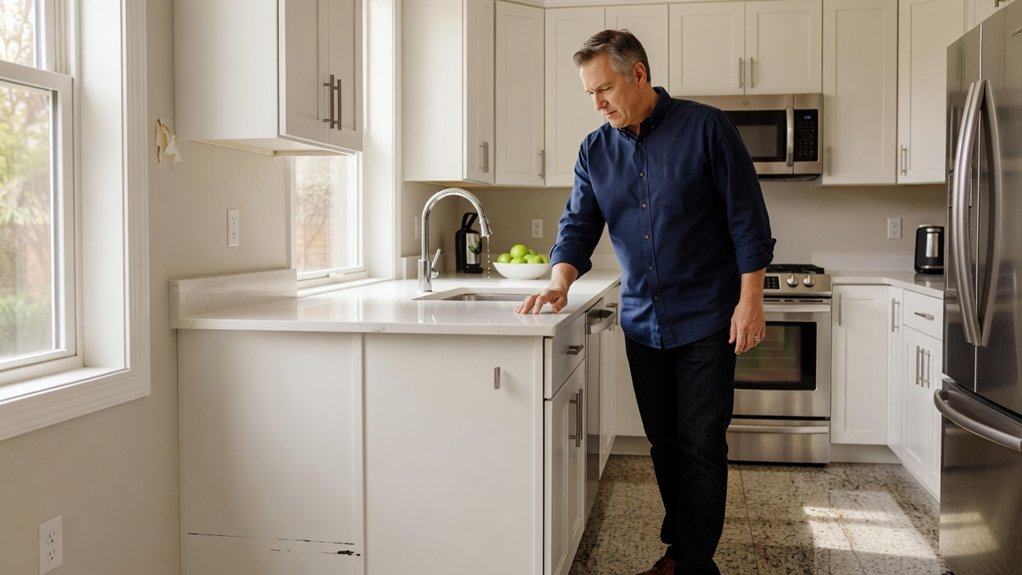
Before listing, repair visible damage such as cracked trim, chipped paint, and loose fixtures. Buyers notice these flaws and may question how well you’ve maintained the home.
Take care of minor maintenance issues, too, so small problems don’t distract from its value.
Repair Visible Damage
When buyers tour your home, visible damage can make them question how well you’ve maintained it. Address obvious defects before listing, especially cracked drywall, peeling paint, damaged trim, broken tiles, and loose or missing fixtures. These flaws stand out in person and in listing photos, and buyers may assume they signal bigger problems.
Walk through each room in daylight and note damage at eye level and along walls, floors, and ceilings. Fix issues properly rather than hiding them with furniture or quick cosmetic cover-ups. For repairs beyond your skills, hire a qualified professional; poorly executed DIY upgrades can draw more attention than the original damage.
Outside, repair visible damage to siding, steps, fences, or the entry. Use landscaping tips to complement repairs, not distract from them. Prioritize defects buyers will see first.
Address Minor Maintenance Issues
Minor maintenance problems can make buyers wonder what else you’ve neglected. Before listing, walk through your home as if you were seeing it for the first time. Tighten loose handles, replace burned-out bulbs, fix dripping taps, and oil squeaky hinges. These small repairs cost little but signal that you’ve cared for the property.
Check doors and windows for sticking, damaged seals, or locks that don’t work properly. Buyers may test them during a viewing, so resolve problems beforehand. Refresh scuffed walls with paint touch ups, matching the existing color for a consistent finish.
Don’t overlook the exterior. Clear gutters, tidy pathways, and handle basic garden landscaping, such as trimming overgrown shrubs and removing weeds. Prioritize visible, functional issues rather than expensive upgrades.
A neat, well-maintained home helps buyers focus on its strengths and reduces doubts during inspections.
Disclose Known Problems Before Listing
Disclose known problems before listing your home, even if you’ve repaired them or think they’re minor. Buyers need accurate information, and early disclosure helps you build trust and avoid disputes after an offer.
Check your state and local legal requirements before completing seller disclosure forms. Rules vary, but they may cover past leaks, structural damage, pest activity, roof issues, or unpermitted work.
Don’t assume a repair erases your duty to report the original problem; describe what happened, when it occurred, and what you did to address it.
Get records, invoices, inspection reports, and warranties ready to support your answers.
If you’re unsure whether an issue must be disclosed, ask your real estate agent or an attorney.
Handle disclosure timing early, not under pressure during negotiations. Honest, complete answers can prevent delays, renegotiations, and costly legal claims.
Boost Curb Appeal Before Buyers Arrive

Before buyers step inside, your home’s exterior sets expectations about how well you’ve maintained it. Don’t let neglected details undermine your asking price. Walk from the street to the front door and note cracked steps, peeling paint, loose railings, or damaged trim. Repair these issues before listing, and clean siding, windows, gutters, and the entryway so the property looks cared for.
Target landscaping upgrades that make a visible difference without requiring extensive work. Trim overgrown shrubs, edge walkways, remove weeds, and add fresh mulch or seasonal plants. Keep trees and branches clear of the roof and paths. Check outdoor lighting, replace burned-out bulbs, and ensure the entry and walkways are safely illuminated.
A clean, well-maintained exterior helps buyers feel confident before they tour your home. Address visible repairs promptly; small defects can suggest larger maintenance concerns.
Declutter and Stage Before Listing
Once the exterior is ready, make the rooms inside feel spacious, clean, and easy to imagine living in. Start with clutter reduction: clear countertops, pack away personal collections, and remove excess furniture that blocks walkways or makes rooms feel small. Buyers need to see useful space, not your storage habits. Keep everyday essentials accessible, but store anything you don’t need before moving.
Thoughtful home staging can help each room feel purposeful. Arrange furniture to highlight natural flow, define spaces, and show how awkward corners might work. Use neutral bedding and simple accessories, and let daylight brighten the rooms.
Don’t hide damage or mask odors; address the cause instead. If you’re unsure what to remove or rearrange, ask a trusted agent for a room-by-room walkthrough before listing.
Use Clear Photos and Accurate Listing Details
Clear listing photos and accurate details help buyers decide whether your home fits their needs. Poor images or vague claims can discourage qualified buyers before they schedule a showing.
Prioritize Photography quality: use bright, sharp images that show each room’s layout and features. Open curtains, turn on lights, and remove distractions before the photographer arrives. Include exterior shots and useful spaces, such as storage or a finished basement. Don’t use filters or misleading angles that make rooms appear larger than they are.
Listing accuracy matters just as much. Verify square footage, bedroom and bathroom counts, property features, and included appliances. Disclose known limitations, and confirm details against reliable records when possible. If you’re unsure about a claim, check before publishing.
Accurate information builds trust, reduces confusion, and helps buyers assess your home fairly.
Frequently Asked Questions
When Is the Best Time of Year to List My Home?
Spring is often the best time to list your home, especially if you want to attract more buyers and benefit from longer daylight hours. However, Seasonal Trends vary by location, and summer or early fall may suit your market better.
For smart Market Timing, review local sales, inventory, and buyer demand with an experienced agent. You’ll also want to take into account your moving plans and prepare your home before choosing a listing date.
What Documents Should I Prepare Before Selling?
Before selling, gather your deed, mortgage payoff statement, property tax records, utility bills, permits, warranties, and homeowners’ association documents.
The National Association of Realtors reports that 20% of sellers’ agents say staging increases offered prices by 1%–5%, so keep renovation receipts and records of improvements to support your asking price.
You’ll also need disclosures about known defects.
Organize everything early; your agent can use accurate details to shape marketing strategies and coordinate Home staging.
How Much Does It Cost to Sell a Home?
Selling a home typically costs 6%–10% of its sale price, though your location, loan, and negotiations affect the total. You may pay agent commissions, closing costs, repairs, staging, moving expenses, and taxes.
Ask your agent for an itemized estimate before listing, and compare service fees.
A sound Pricing strategy and effective Marketing techniques can help you attract stronger offers and avoid costly delays, but they won’t eliminate every selling expense.
Should I Get a Pre-Listing Home Inspection?
Yes, you should consider a pre-listing Home inspection, especially if your home is older or you suspect hidden issues. An inspection can reveal problems early, giving you time to make repairs, adjust your asking price, or disclose defects accurately.
You’ll also reduce the risk of surprises during buyer negotiations.
Pair the findings with a Property valuation from a qualified local professional; an inspection assesses condition, while valuation helps you set a competitive price.
What Happens After I Accept an Offer?
After you accept an offer, you sign the purchase agreement, meet deadlines, and prepare for closing. You’ll open escrow, provide required disclosures, and coordinate inspections and appraisal access.
Review the buyer’s financing and contingencies, then respond promptly to requests. Your Pricing strategy and Negotiation tactics still matter: address inspection findings carefully, document agreed repairs, and avoid informal promises.
Once contingencies clear, confirm closing details, transfer keys, and receive your proceeds after settlement.
Leave a Reply