


Homes that are well presented can attract more buyer interest and spend less time on the market. When you prepare for viewings, you’ll help buyers picture themselves in the property and feel confident about its condition. Plan convenient appointments, clear access, and a tidy, welcoming space. Small details can shape a buyer’s impression—but one overlooked issue may undo all your careful preparation.
Plan Ahead for Property Viewings
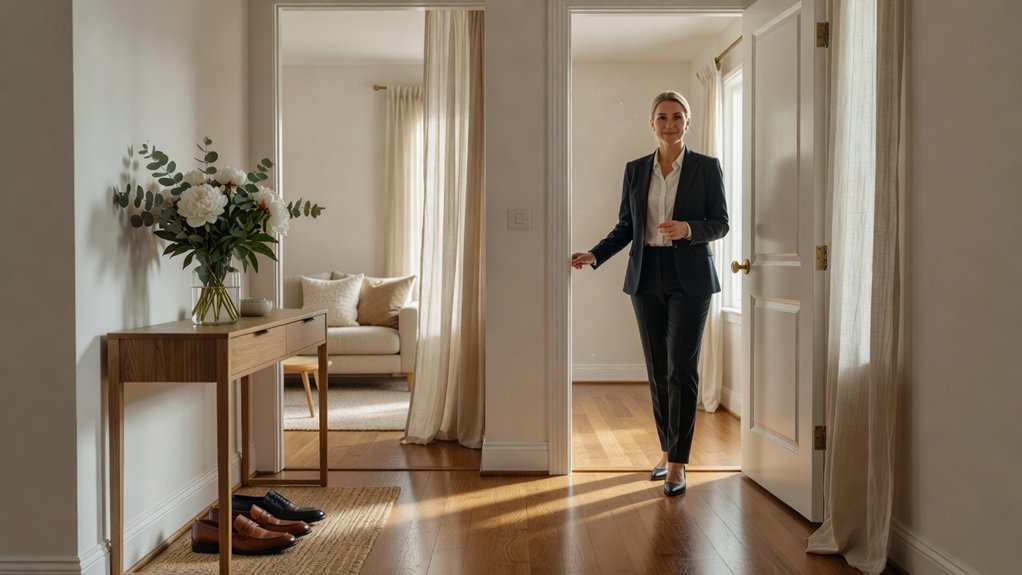
Plan viewing times that give you enough notice to prepare without making buyers wait too long. Set clear availability with your agent, and block out work, family commitments, and other obligations before you begin scheduling appointments. Offer several time slots, including evenings or weekends, so interested buyers can find a convenient option. If you need advance notice, state that requirement upfront and ask your agent to confirm each visit.
A consistent schedule supports your Marketing strategy by helping buyers understand when they can see the property and encouraging timely offers. Keep a shared calendar with your agent, and update it whenever your availability changes.
Decide how you’ll handle short-notice requests, cancellations, and overlapping appointments. Clear expectations reduce confusion, protect your time, and make each viewing easier to coordinate. Review the schedule regularly so you can respond promptly to buyer interest.
Prepare Your Home’s Exterior and Entrance
Before buyers step inside, make sure your home’s exterior and entrance look clean and well cared for. Walk up to your front door as a visitor would, noting anything that looks worn, damaged, or difficult to access. Sweep the path, clear leaves, and remove weeds from paving joints. Trim overgrown shrubs and tidy planting beds; modest landscaping enhancements, such as fresh mulch or seasonal flowers, can sharpen curb appeal without major expense.
Check that your house number is visible and your doorbell works. Clean the door and polish its hardware, then touch up peeling paint where needed. Test outdoor lighting and replace failed bulbs so buyers can approach safely and see the entrance clearly.
In poor weather, provide a sturdy doormat and ensure the route stays slip-resistant. Keep the entry welcoming and accessible.
Declutter and Clean Every Room
Clear countertops and organize storage so buyers can see the space your home offers.
Deep-clean every room, paying close attention to kitchens, bathrooms, and floors.
Remove personal items and excess clutter to help visitors picture themselves living there.
Clear Surfaces and Storage
When buyers walk through your property, clutter can distract them from its space and features. Clear countertops, tables, desks, and windowsills so buyers can see each room’s usable area. Keep only a few purposeful items, such as a lamp or simple centerpiece, to add warmth without crowding the view. Consistent surface organization makes rooms feel calmer and easier to assess.
Make storage optimization part of your preparation, too. Remove excess items from closets, cupboards, and shelving, then arrange what remains neatly. Buyers may open storage spaces, so leave visible room for their belongings rather than filling every shelf. Use baskets or boxes to contain small items, but avoid hiding clutter in places buyers are likely to inspect.
Put away personal papers, chargers, and everyday essentials before each viewing. These practical steps help buyers picture how they’ll use your property.
Deep-Clean Every Room
A thorough clean helps buyers focus on your property’s condition, not dust or grime. Work room by room, starting high and finishing at floor level. Dust ceiling fixtures, vents, shelves, and skirting boards before vacuuming or mopping.
Clean windows, mirrors, and glass doors until they’re streak-free, and wipe switches, handles, and other frequently touched surfaces.
In kitchens and bathrooms, remove grease, soap scum, and limescale with suitable products. Follow labels, ventilate rooms, and avoid mixing chemicals. Use effective Cleaning techniques, such as letting products sit briefly before wiping, to loosen stubborn dirt without damaging finishes.
Clean appliance fronts and taps, and check corners for missed debris. Keep a Maintenance schedule for touch-ups before each viewing, especially in high-traffic areas.
Fresh, clean surfaces and a neutral scent help buyers assess the home’s upkeep with confidence.
Remove Personal Clutter
Once every room is clean, remove personal clutter so buyers can picture themselves living there. Pack away family photographs, collections, children’s artwork, and other personal belongings that draw attention from the property’s features. You don’t need to strip your home of all character; simply create a calm, neutral setting that feels welcoming and spacious.
Store sentimental items safely rather than leaving them on display. Clear kitchen counters, bathroom vanities, bedside tables, and entryway surfaces, keeping only a few useful or attractive pieces.
In living areas, edit bookshelves and remove excess cushions, toys, and décor. Put everyday essentials in cupboards or tidy storage baskets, and make sure storage spaces remain organized, since buyers may open them.
Before each viewing, walk through your home from a visitor’s perspective and remove anything that feels distracting, crowded, or overly personal.
Brighten Rooms and Create a Sense of Space
Bright, open rooms help buyers picture themselves living in your property. Make the most of natural lighting by opening curtains and blinds before each viewing. Clean windows let daylight travel farther, while strategically placed mirrors can reflect light into darker corners. Turn on lamps in rooms that still feel dim, and choose warm, consistent bulbs to create a welcoming glow.
Use color schemes to make rooms feel cohesive and spacious. Pale, neutral shades on walls and large furnishings reflect light and help spaces feel larger. You don’t need to repaint every room; instead, remove visually heavy accents and keep bold colors to a few small details.
Arrange furniture to leave clear pathways and show each room’s purpose. Pull pieces slightly away from walls where practical, and avoid blocking windows. Buyers should be able to move through your home easily and notice its best features.
Fix Small Problems Before Buyers Arrive
Before buyers arrive, repair minor damage such as scuffed paint, loose handles, or cracked tiles.
Check that taps, lights, doors, and other fixtures work properly.
These small fixes show you’ve maintained the property with care.
Repair Minor Damage
Small defects can make buyers wonder what else you’ve overlooked. Before viewings, walk through each room and note visible damage: chipped paint, scuffed walls, loose handles, or small holes. Fixing these issues helps your property look cared for and lets buyers focus on its strengths.
Use filler to patch nail holes and minor cracks, then sand the surface smooth before you touch up paint. Match the existing colour and finish as closely as possible; a mismatched patch can draw more attention than the original mark.
Clean scuffs with a suitable gentle cleaner, and replace any cracked switch plates or damaged trim.
Keep repairs simple and neat. If a problem needs specialist work, arrange it before viewings rather than disguising it. Check your completed repairs in daylight, when uneven finishes and overlooked marks are easiest to spot.
Check Fixtures And Fittings
Once cosmetic repairs are done, test the fixtures and fittings buyers are likely to use. During your fixtures inspection, switch on every light, run taps, flush toilets, and check that doors, windows, handles, and cupboard hinges work smoothly.
Look for drips, loose screws, sticking latches, flickering bulbs, or anything that feels unstable. These small faults can distract viewers and suggest neglected maintenance, even when the rest of your home looks well cared for.
Make straightforward fixes before appointments. Tighten handles and hinges, replace failed bulbs, clear slow drains, and lubricate stiff locks with an appropriate product. If a fitting needs more than a simple adjustment, arrange a qualified repair rather than risking damage.
Complete any fittings adjustment neatly, then test the item again. Don’t conceal faults; disclose issues you can’t resolve. A reliable, well-maintained home gives buyers greater confidence during their viewing.
Stage Your Home to Feel Welcoming
A welcoming home helps buyers picture themselves living there, so stage each room to highlight its purpose and best features. Arrange furniture to create clear pathways and make rooms feel spacious. Remove excess items from surfaces, but keep a few carefully chosen accents that add warmth without distracting from the property.
Use welcoming decor to make the space feel inviting and lived-in, not overly personal. Neutral cushions, fresh flowers, and a simple bowl of fruit can add color and texture. Keep family photos, collections, and bold artwork to a minimum so buyers can imagine their own belongings in each room.
Pay attention to interior ambiance: open curtains to let in natural light, choose soft, consistent lighting, and keep the temperature comfortable. A restrained, cohesive look helps every room feel calm, purposeful, and easy to appreciate.
Prepare for Viewing Day and Buyer Questions
Before each viewing, make the property easy to access and ready to show: tidy key areas, turn on lights, and secure pets. Check that the heating or cooling feels comfortable, and remove valuables and personal documents. Leave a clear route through each room so buyers can focus on the space, not obstacles.
Prepare concise, honest answers about repairs, utility costs, fixtures, and the reason for selling. If you don’t know an answer, say so and offer to confirm it promptly. Keep relevant documents, such as warranties and recent service records, available for reference.
Review market research and your pricing strategies beforehand so you can explain your asking price confidently. Let buyers explore without hovering, but stay reachable for questions. After each visit, note feedback and follow up with interested buyers through your agent.
Frequently Asked Questions
What Documents Should I Have Ready for Prospective Buyers?
Give prospective buyers a clear map, not a maze: gather your title deed, property survey, permits, warranties, utility bills, and records of renovations or repairs.
Your Property disclosure should reveal known defects, boundary disputes, and relevant restrictions; check local rules for required forms.
Use a Documentation checklist to track every item, and keep copies organized for easy sharing.
Ask your solicitor or estate agent to confirm what buyers in your area expect before viewings begin.
Should I Leave During a Property Viewing?
Yes, you should usually leave during a property viewing. Buyers often feel more comfortable exploring and speaking openly when you’re not nearby, which can help them picture themselves living there.
Ask your estate agent to accompany visitors and answer questions.
If you can’t leave, stay outside the main viewing areas and avoid interrupting.
Address Privacy concerns by securing valuables and personal documents, while ensuring Property accessibility by providing clear access to rooms, entrances, and any relevant features.
How Long Does a Typical Property Viewing Last?
A typical property viewing lasts 15 to 30 minutes, though larger homes or serious buyers may need longer. Give visitors enough time to explore each room, ask questions, and assess the property without feeling rushed.
You can help the visit run smoothly by using simple Staging techniques and improving Curb appeal before guests arrive.
If you’re showing your home, plan for a little extra time between appointments to reset rooms and welcome the next visitors.
Can Buyers Take Photos or Videos During a Viewing?
Yes, buyers can often take photos or videos during a viewing, but they should ask the seller or agent first.
In a 2023 survey, 72% of homebuyers said listing photos influenced their decisions, underscoring why images matter.
Still, privacy concerns may prompt photography restrictions, especially around family photos, valuables, or security features.
If you’re viewing, respect any limits, avoid filming people or personal documents, and never share images publicly without permission.
How Should I Handle Feedback After a Viewing?
Review feedback promptly, separate useful observations from personal preferences, and look for repeated themes.
Ask your agent to clarify vague comments and share honest responses with you after each viewing.
Use Feedback collection to track remarks about price, layout, condition, and presentation.
If several buyers flag the same issue, consider practical Staging improvements, such as decluttering or adjusting furniture.
Don’t make costly changes based on one opinion; weigh patterns against your budget and selling goals.
Leave a Reply