


You don’t need major building work to make your home feel more considered. A fresh coat of paint, better lighting, or a few well-chosen textiles can change how a room looks and works. Start with what you already own, then make practical updates that suit your space and budget. These ten ideas show you where small changes can have the greatest effect—and which details are easy to overlook.
Refresh Walls With Easy Paint or Wallpaper
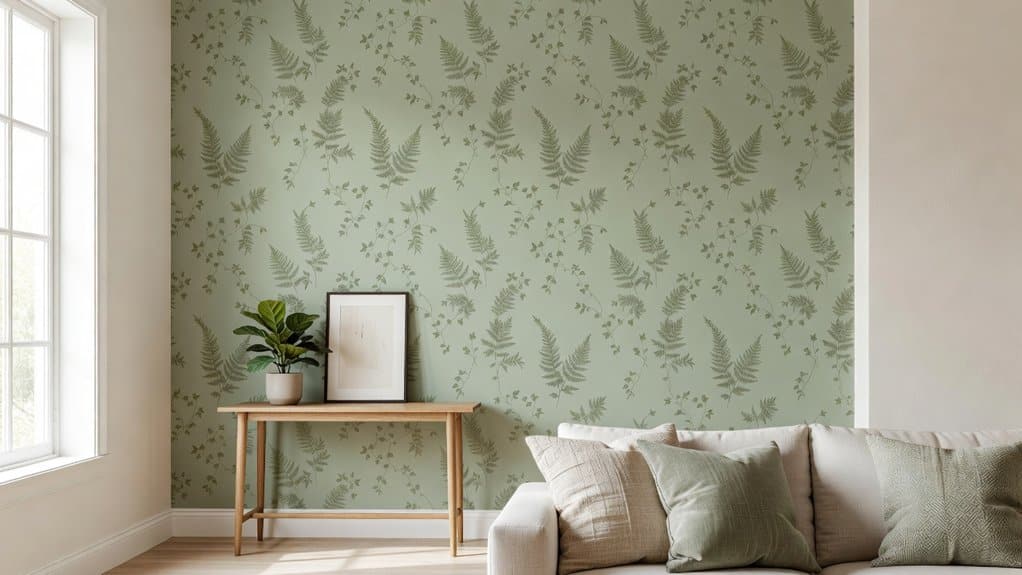
A fresh coat of paint or a well-chosen wallpaper can transform a room without a major renovation. Before you begin, clean the walls, fill small holes, and use painter’s tape to protect trim.
Choose a finish suited to the room: washable satin works well in busy areas, while matte can soften minor surface flaws.
For wallpaper, measure carefully and order enough rolls from the same batch to avoid visible shade differences. Peel-and-stick designs offer a manageable option if you’re renting or want an easier update.
Consider color coordination with your existing furniture and finishes, rather than treating the walls in isolation. Pattern mixing can work when you vary the scale of prints and repeat a shared detail, such as a shape or texture.
Test paint samples or a wallpaper swatch in changing light before committing.
Choose a Simple Color Palette for Your Room
Choose a base color that suits your room’s light and sets the mood you want.
Then add subtle accents through textiles, artwork, or accessories.
Keeping the palette focused helps the room feel cohesive without looking flat.
Choose a Base Color
Start with one base color to give your room a clear, cohesive foundation. Choosing a base color means evaluating the room’s fixed features, including flooring, cabinetry, and large furniture. Let these elements guide your choice rather than selecting a shade in isolation.
Then consider the room’s natural light: warm whites and earthy neutrals can soften cool, shaded spaces, while cooler tones may balance strong afternoon sun. Test paint samples on more than one wall, and observe them at different times of day before committing.
Use color harmony as your guide: choose a base that relates comfortably to existing materials and suits the room’s purpose. A restrained foundation also makes future updates easier, since you can change furnishings without repainting.
Pick a shade you’ll enjoy seeing daily.
Add Subtle Accents
Once your base color is set, add one or two subtle accent colors to give the room depth without disrupting its calm, cohesive feel. Choose shades that sit comfortably beside your base, such as muted green with warm white or soft blue with gray.
Repeat each accent at least twice so it feels intentional: echo a cushion color in a vase, artwork, or throw. For subtle wall accents, consider a narrow painted arch or a small framed print rather than a bold feature wall.
Keep larger surfaces neutral, and use accents on items you can easily replace if your preferences change. Add understated decorative details in natural materials, such as wood, linen, or ceramic, to introduce texture without adding more colors.
Step back and check that the palette feels balanced in daylight and evening light.
Add Color With Cushions, Throws, and Accessories
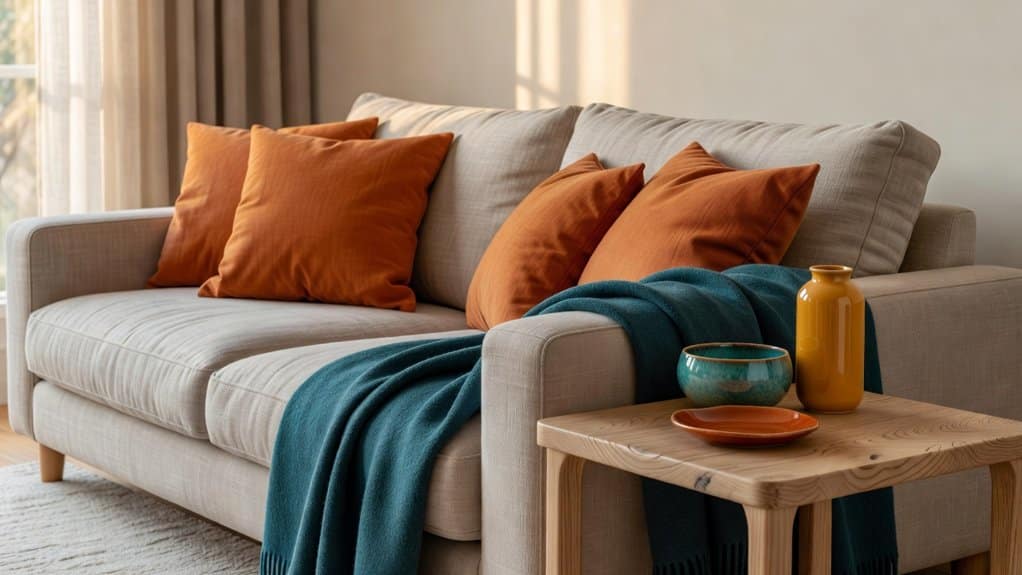
Layer cushions and throws in varied textures to add depth and comfort.
Choose colors that complement your room’s palette for a cohesive look.
Refresh the space easily with accessories such as vases, art, and lamps.
Layer Cushions and Throws
Cushions and throws add color, texture, and comfort without requiring a major redesign. Start with the seating you use most, then choose cushions in varied sizes to create depth. Place larger ones at the back and smaller accents toward the front, keeping enough room to sit comfortably.
Layer textures by pairing smooth cotton with knitted wool, linen, or velvet. This contrast makes a sofa feel considered without adding clutter.
Mix patterns carefully: combine one bold design with smaller-scale prints, and let a solid cushion give the eye a place to rest. Repeat a pattern or fabric elsewhere in the room for a connected look.
Drape a throw over an arm or fold it neatly across the seat. Choose washable, durable fabrics for everyday use, and rotate accessories seasonally to refresh your room with little effort.
Choose a Color Palette
A clear color palette helps cushions, throws, and accessories feel like part of the same room. Start with a shade already present in your flooring, artwork, or upholstery, then choose two or three supporting colors. This approach creates cohesion without requiring you to replace larger pieces.
Consider color psychology when selecting hues: warm tones can make a space feel lively, while cooler shades often encourage calm. Think about the room’s purpose and the atmosphere you want before buying anything.
For effective mood enhancement, balance stronger colors with quieter neutrals so they add character without overwhelming the space.
Repeat each accent color in a few places, varying its texture or pattern to keep the arrangement natural. Check your choices in daylight and evening light, since bulbs can shift how colors appear. A small sample helps you judge the effect before committing.
Refresh With Accessories
Small accessories can refresh a room without the cost or commitment of replacing furniture. Use cushions and throws to introduce colors from your palette, then vary their textures to add depth. You don’t need a matching set: combine a few coordinated shades and patterns, keeping one color dominant for a composed look.
Choose decorative accents, such as a ceramic vase, framed print, or table lamp, to reinforce those tones. Repeat colors in different parts of the room so the scheme feels intentional rather than scattered.
Consider accessor placement carefully: group smaller objects on a tray, leave space around standout pieces, and position cushions where you’ll use them. Edit as you go; removing one item can improve balance. Swap covers seasonally or when your taste changes, giving the room a fresh look with minimal effort and expense.
Update Lighting to Change the Mood

Lighting can change how a room feels without altering its layout or furnishings. Start by evaluating what you do in each space: read, cook, work, or unwind. Then layer ambient, task, and accent lighting so you can match illumination to the activity.
A dimmer gives you precise control, while warm bulbs create a relaxed evening atmosphere and cooler light supports focused tasks.
Smart lighting lets you schedule lights, adjust brightness, and change color temperature from an app or voice assistant. Choose compatible bulbs or switches, and check their specifications before buying.
For Mood lighting, use a table lamp, wall light, or concealed LED strip to add a softer glow without relying on one harsh overhead fixture. Keep controls accessible, and test bulb brightness in the room before committing to a full set.
Rearrange Furniture for Better Room Flow
Arrange furniture to create clear walkways, leaving enough space for comfortable movement.
Balance larger and smaller pieces so the room feels open rather than crowded.
Group seating to define conversation zones that suit how you use the space.
Create Clear Walkways
When furniture blocks natural routes through a room, even a spacious layout can feel cramped. Creating clear walkways starts with noticing how you move between doors, seating, and frequently used areas. Walk through the room and identify spots where you must sidestep, turn sharply, or squeeze past furniture.
Then shift pieces to open those routes, keeping paths direct and easy to follow. Aim for about 30 to 36 inches of clearance along main walkways when the room allows. In tighter spaces, prioritize an unobstructed route to exits and everyday essentials.
Pull chairs slightly away from doorways, move small tables out of passageways, and avoid trailing cords across paths. These practical changes support enhancing traffic flow, reduce bumps, and make the room feel more comfortable without construction. Recheck the layout during normal use.
Balance Furniture Placement
Balance furniture placement by distributing visual weight across the room rather than clustering every large piece along one wall. Consider each item’s size, height, color, and visual presence.
If your sofa dominates one side, place a substantial chair, bookcase, or floor lamp opposite it to steady the composition. You don’t need matching pieces: asymmetrical balance can feel natural when you pair objects of different shapes or sizes with comparable visual weight.
Symmetrical arrangements, such as matching chairs on either side of a console, create a more formal, orderly look.
Test positions before committing, and view the room from its main entrance to spot imbalances. Keep furniture scaled to the room, and avoid blocking windows or making smaller pieces look isolated.
A balanced layout feels settled and supports easy movement.
Define Conversation Zones
Once the room feels balanced, group seating to make conversation easy. Place sofas and chairs close enough for comfortable discussion, usually about four to eight feet apart. Angle seats toward one another rather than lining them up against the walls.
A coffee table can anchor the arrangement, but leave enough space to walk around it and reach each seat.
Use rugs, lighting, or a change in furniture direction to define conversation zones without adding walls. In a large room, create separate functional areas for talking, reading, or watching television, and keep clear paths between them.
In a small room, choose compact pieces and avoid blocking doorways or windows. Test the layout by walking through it and sitting in every seat. Adjust until movement feels natural and everyone can see and hear one another.
Create a Focal Point With Art
A striking piece of art can give a room an instant focal point and a clear sense of direction. Choose a work that suits your room’s scale: a small print can disappear above a large sofa, while an oversized canvas may overwhelm a compact wall.
Contemporary artwork adds color, texture, or contrast, so use it to reinforce your palette or introduce a deliberate accent. Hang pieces at eye level, typically with the center around 57 inches from the floor, and leave enough space around them to stand out.
You can also use statement sculptures to draw attention, provided they don’t obstruct walkways or conversation. Place one on a sturdy console, pedestal, or open shelf, and give it breathing room.
Before committing, test the placement with paper cutouts or painter’s tape. This simple step helps you judge balance without making permanent changes.
Bring Nature Indoors With Easy-Care Plants
Even a few well-chosen plants can soften a room, add color, and connect your decor to the outdoors. Indoor greenery also brings texture to shelves, side tables, and empty corners without requiring renovation.
Choose plants to suit your light and routine. Snake plants and ZZ plants tolerate low light and infrequent watering, while pothos grows well in brighter, indirect light. Check each plant’s care needs before buying, and avoid placing sun-sensitive leaves in harsh afternoon rays.
If you travel often, Easy care plants can keep your display looking healthy with minimal attention.
Use pots with drainage holes, or place nursery pots inside decorative covers so excess water doesn’t collect. Group plants with similar needs together, and leave room for air circulation.
Start with one or two; you can add more once you know what thrives.
Refresh Cabinets With New Hardware and Fixtures
New cabinet hardware can give a kitchen or bathroom a fresh look without replacing the cabinets. Swapping dated knobs and pulls for streamlined, well-made options changes the room’s feel with little disruption. Before you shop, measure existing holes and check each handle’s center-to-center spacing. Matching those measurements lets you reuse the holes and avoid extra drilling.
Choose finishes that coordinate with your faucet, lighting, and appliances, but don’t feel obliged to match every metal exactly. Cabinet hardware in a contrasting finish can add definition, while consistent shapes create a calmer look.
For fixture upgrades, replace a tired faucet or cabinet-mounted light only if the change suits your layout and skill level. Turn off the water or power first, follow manufacturer instructions, and call a professional when connections or wiring need expert attention.
Use Mirrors and Small Decor to Add Character
Mirrors can brighten a room and make it feel more spacious while adding a decorative focal point. Choose a frame that complements your existing finishes, then consider mirrors placement carefully. Hang one opposite a window to reflect daylight, or position it to highlight an attractive view. Check what the mirror will reflect before mounting it; an untidy corner can become more noticeable.
Use small decorative accents to give surfaces personality without creating clutter. A ceramic vase, a framed print, or a sculptural object can add color and texture to a console, mantel, or bedside table. Group items in varied heights, and leave enough open space to keep the arrangement intentional. Repeat a finish or color already present in the room for a cohesive look.
Secure heavier pieces, and keep mirrors at a comfortable viewing height. These simple changes can make your rooms feel more considered without construction.
Define Spaces and Style Shelves With Rugs and Decor
Use rugs to define separate zones in an open-plan room or anchor furniture in a smaller space. Choose a rug large enough for the front legs of your seating to rest on it; this creates a connected arrangement. In dining areas, leave room for chairs to slide back without catching the edge.
For defining spatial boundaries, repeat a rug color in nearby cushions or artwork to link zones while preserving their distinct purposes.
Styling shelf displays works best when you balance useful objects with personal accents. Group books horizontally and vertically, then add a few ceramics, framed photos, or plants. Vary height and leave open space so each item remains visible. Keep heavier pieces on lower shelves, and edit regularly to prevent clutter.
These simple choices give your room structure and character without construction or costly changes.
Frequently Asked Questions
How Can Renters Personalize a Room Without Risking Their Security Deposit?
Play it safe by choosing reversible updates you can remove without leaving a trace. Try wall decals or removable wallpaper, and test adhesives in an inconspicuous spot first.
Add color with rugs, cushions, curtains, and framed art hung with approved damage-free strips.
Use lamps and freestanding shelves for extra style without drilling.
Check your lease, follow product instructions, and photograph the room before changes.
Before moving out, remove everything carefully and repair any marks.
What Are Affordable Ways to Refresh a Room on a Tight Budget?
Refresh your room affordably by rearranging furniture, adding a fresh throw, and displaying items you already own.
Choose Budget friendly accessories, such as cushion covers, secondhand lamps, or framed prints, to add color without overspending.
Try DIY decor tips: paint a small frame, make a simple cushion cover, or create a gallery wall with inexpensive prints.
Set a spending limit, compare prices, and update one focal area first for the biggest impact.
How Can I Make a Small Room Feel More Spacious Without Renovations?
Pair pale walls with dark accents, and open floor space with carefully placed furnishings.
Choose light Color palettes to reflect daylight, then add one deeper hue for contrast.
Streamline Furniture arrangements by pulling pieces away from walkways and choosing furniture with exposed legs.
Hang mirrors opposite windows to spread light, and use curtains mounted near the ceiling to draw your eye upward.
Clear surfaces, store clutter out of sight, and keep décor purposeful.
Which Materials Are Best for Durable, Low-Maintenance Interior Decor?
For durable, low-maintenance decor, choose porcelain tile, quartz, performance fabrics, and sealed hardwood. These surfaces resist stains, scratches, and everyday wear, so you’ll spend less time cleaning and repairing.
Consider luxury finishes such as brushed metal or polished stone for lasting style, and select eco-friendly materials like recycled glass, cork, or responsibly sourced wood.
Check care instructions before buying, and match each material to your room’s moisture, traffic, and sunlight.
How Often Should I Update My Home’s Interior Style?
You don’t need to update your home’s interior style on a fixed schedule; refresh it when your needs, tastes, or daily routines change. Review your space every few years, or sooner if it feels uncomfortable or dated.
Start with small adjustments, such as revising color schemes, changing accessories, or improving furniture placement. Keep durable pieces you still love, and make larger changes only when they’ll meaningfully improve how your home looks and works.
Leave a Reply