

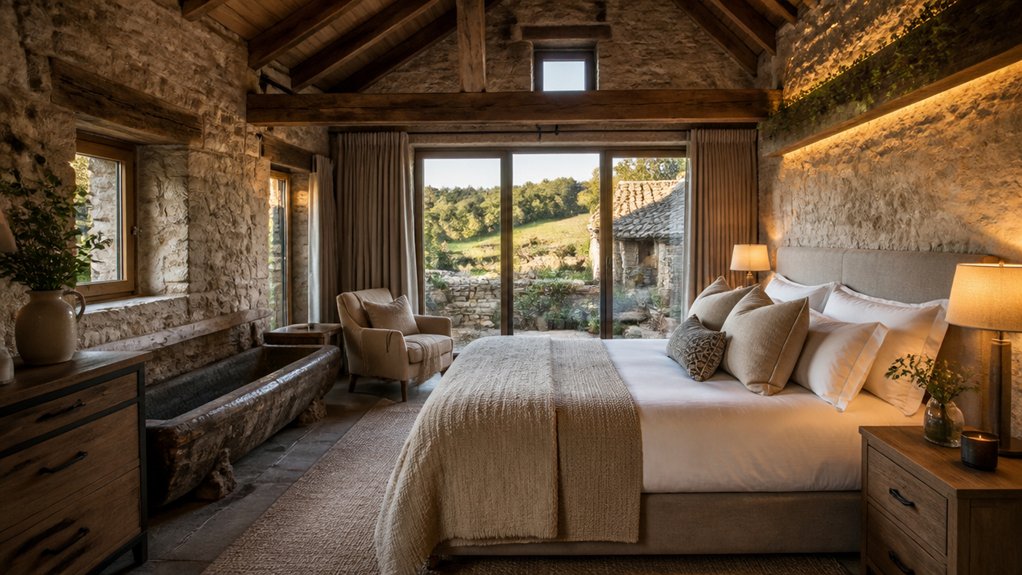
Imagine you’ve inherited a derelict piggery with sound stone walls, exposed timber beams, and little else fit for guests. You can turn it into comfortable rural accommodation by evaluating the structure, planning around its shape, and preserving its character while adding insulation, reliable Wi-Fi, and practical modern amenities. The key decisions aren’t always obvious, though—especially when you need to balance historic features, guest comfort, and the building’s rural setting.
Assess the Piggery’s Condition and Potential

Before planning finishes or furnishings, assess the piggery’s structure, services, and setting. Hire a qualified surveyor to inspect foundations, walls, roof timbers, and drainage; ask for evidence of movement, damp, rot, asbestos, or contamination.
Check whether the building can meet current safety, insulation, and fire standards, and confirm that water, power, and wastewater connections can support guest use.
Review planning controls, access, and any heritage restrictions before committing to major work.
Then judge what’s worth retaining: sound stonework, original doors, and weathered beams can preserve character without compromising comfort.
Piggery history preservation works best when you document existing features and repair them carefully.
Consider Farmyard sustainability, too: reuse materials where practical, improve energy performance, and manage rainwater responsibly.
A clear condition report helps you estimate costs, identify risks, and decide whether conversion is viable.
Plan the Layout Around the Piggery’s Shape
Let the piggery’s shape guide the layout rather than forcing it into a standard floor plan. Map the existing footprint, noting narrow bays, deep walls, low eaves, and the position of doors and windows. These features can help you place rooms efficiently and preserve the building’s distinctive proportions.
Put shared living and dining areas where the structure offers the most generous, naturally lit space. Tuck bathrooms, storage, and utility functions into tighter or darker zones, keeping plumbing runs practical.
If the building has separate pens or wings, use them to create clear sleeping areas or a private suite.
Plan circulation carefully so guests can move comfortably without wasting floor area. Choose furnishings that fit awkward dimensions, and use Sustainable materials and Farmyard aesthetics to connect the interior with its rural setting. Keep every design choice functional.
Repair the Building and Preserve Its Character
Before adding luxury finishes, stabilize the original structure and address any water damage, weakened masonry, or failing roof timbers.
Preserve historic details such as stonework, beams, and original openings wherever they’re sound.
You’ll retain the piggery’s character while making it safe and durable for guests.
Stabilize the Original Structure
Once the piggery’s condition is assessed, tackle structural problems before adding luxury finishes. Bring in a structural engineer to inspect the walls, roof, floors, and foundations, then prioritize repairs according to risk. Don’t conceal movement or water damage behind new finishes; identify the cause and correct it first.
Structural reinforcement may involve tying unstable walls, replacing failed roof members, or strengthening floor joists. Choose methods suited to the building’s materials and load paths, and have qualified professionals specify connections and supports.
For foundation stabilization, address drainage and soil conditions before underpinning or repairing cracked masonry. Poorly planned work can transfer stress and worsen movement.
Monitor cracks and levels during repairs, documenting changes so you can confirm the structure has settled. Once it’s sound and dry, you’ll have a reliable base for comfortable guest accommodation and future improvements.
Preserve Historic Details
With the structure stable, identify the piggery’s original features—such as brickwork, timber beams, stone floors, and iron fittings—and repair them wherever practical. Document each feature before work begins, noting its condition and any previous alterations.
Use compatible materials and traditional methods: repoint brick with lime mortar, splice damaged timber rather than replacing whole beams, and retain sound flooring.
Ask a heritage conservation specialist to assess significant elements and advise on appropriate repairs.
Avoid stripping surfaces or adding finishes that conceal historic fabric.
Where replacement is unavoidable, match the original material, profile, and workmanship, and keep new work distinguishable on close inspection.
These choices protect architectural integrity while making the building comfortable for guests.
Record repairs for future maintenance, and explain preserved details through discreet interpretation that connects visitors with the piggery’s working past.
Add Modern Guest Comforts
How do you make a former piggery feel like a luxury retreat? You start by solving the practical problems guests notice first: temperature, lighting, noise and connectivity.
Insulate the structure carefully, seal draughts and install efficient heating you can control room by room. Underfloor heating works well where the floor build-up allows it; otherwise, choose quiet, responsive radiators.
Use smart technology to let guests adjust heating and lighting easily, without a complicated setup. Provide reliable Wi-Fi, accessible charging points and clear instructions for essential controls.
Good ventilation and effective sound insulation also make a rural stay more comfortable throughout the year.
Choose eco friendly amenities, such as refillable toiletries and water-saving fittings, while maintaining dependable hot water. These upgrades respect the building’s character and help you deliver comfort without unnecessary energy use or maintenance.
Furnish a Warm, Practical Guest Interior
Layer throws, rugs, and cushions to soften the converted piggery’s hard surfaces and make rooms feel welcoming.
Choose durable, easy-care furnishings that’ll withstand frequent guest use without sacrificing comfort.
Add restrained countryside accents to connect the interior with its rural setting.
Layer Soft Textures
To make a converted piggery feel welcoming, balance tactile comfort with the demands of guest use. Start with a calm palette that complements the building’s stone, brick, or timber, then add warmth through textured fabrics. Choose linen cushions, wool throws, and a soft rug to soften hard surfaces without obscuring the room’s rural character.
Use layered textiles to make the sleeping area feel inviting: pair crisp bedding with a quilt or blanket guests can reach easily. In a sitting nook, combine a sturdy upholstered chair with a cushion and a draped throw, giving visitors a comfortable place to read or unwind.
Vary weave and weight rather than relying on bold patterns; this creates depth while keeping the interior cohesive. Keep extra blankets neatly accessible, so guests can adjust their comfort without asking.
Choose Durable Furnishings
Because guest accommodation sees frequent use, choose furnishings that can handle daily wear without making the room feel utilitarian. Select solid wood tables, sturdy bed frames, and well-constructed seating with replaceable covers. Performance fabrics resist stains and fading, while vintage fabrics can add character when you use them on cushions or curtains rather than high-contact upholstery.
Check that drawers glide smoothly, joints feel secure, and finishes tolerate regular cleaning. Choose mattresses that support different sleeping preferences, and provide bedside surfaces guests can reach easily.
For lighting, combine reliable task lamps with rustic lighting that suits the building’s age. Use warm bulbs, but guarantee guests can read and move around safely.
Prioritise repairable pieces and straightforward maintenance; durable choices protect your investment while keeping rooms comfortable, welcoming, and ready for every arrival.
Add Countryside Accents
Bring the countryside indoors with accents that reflect the building’s agricultural past without making the room feel themed. Choose rustic decor with purpose: a reclaimed timber bench, woven baskets, or a simple iron hook rail can add character while serving guests.
Balance these textures with crisp bedding, clean-lined furniture, and durable finishes, so the interior feels refined rather than cluttered. Use countryside accents sparingly, letting original stonework, exposed beams, or a restored stable door provide the strongest visual interest.
For warmth, layer wool throws and natural-fibre rugs where they won’t obstruct doors or create trip hazards. Keep surfaces easy to clean, and give guests practical places to set luggage, hang coats, and store shoes.
A restrained palette of earthy tones ties old and new together, creating a welcoming room that’s comfortable, functional, and distinctly connected to its rural setting.
Connect the Retreat to Its Rural Setting
A successful rural retreat feels rooted in its landscape, not simply set beside it. Begin by studying the site’s contours, prevailing winds, views and existing vegetation. Position paths and outdoor seating to work with these features, rather than imposing a formal layout.
Choose locally sourced stone, timber or brick where practical; familiar materials help the converted piggery sit naturally among nearby buildings. Preserve mature trees and hedgerows, and plant native species suited to the soil and climate.
You’ll also strengthen the connection through community engagement: consult local makers, growers and guides, then feature their work or recommendations for guests. Don’t pursue urban integration by importing city-style amenities that clash with the setting.
Instead, provide thoughtful comforts while letting rural sounds, dark skies and changing seasons shape the experience.
Show the Finished Piggery Retreat
Once the conversion is complete, show how the piggery’s original character and new comforts work together. Let you notice the preserved stonework, sturdy beams, and former stalls, then explain how careful repairs retain their history without compromising safety.
Inside, you’ll find a warm, well-insulated suite with a comfortable bed, reliable heating, a practical kitchenette, and an accessible bathroom. Highlight sustainable materials, such as reclaimed timber and low-impact finishes, and explain how they reduce waste while supporting durability.
Show how discreet lighting and thoughtful storage make the compact layout easy to use. Outdoors, you can enjoy views across fields, with clear paths and seating that keep the setting welcoming.
Mention nearby farm animals only where guests can observe them safely and respectfully. Finish by showing how the retreat balances rural character with dependable, everyday comfort.
Frequently Asked Questions
Do I Need Planning Permission to Convert a Piggery Into Guest Accommodation?
Yes, you’ll likely need planning permission to convert a piggery into guest accommodation, especially if you’re changing its use or making substantial alterations.
Requirements depend on your location, existing permissions, and project scope. Check local zoning regulations and contact your planning authority before work begins.
You may also need building permits to meet safety, accessibility, sanitation, and energy standards.
Confirm requirements in writing; starting without approval could lead to enforcement action or costly changes.
What Insurance Is Needed for a Rural Holiday Rental?
You’ll typically need specialist holiday-let insurance, not standard home cover. Insurance requirements should include buildings and contents protection, public liability, loss of rental income, and cover for guest-caused damage.
If you employ staff, you’ll also need employers’ liability insurance.
Rural property coverage matters because farms and countryside sites may face risks such as flooding, outbuildings, private access roads, or septic systems.
Tell your insurer about guest facilities, occupancy, and any listed features.
How Can I Market a Converted Piggery to Potential Guests?
For example, a converted piggery marketed as a peaceful farm stay can attract guests seeking distinctive countryside breaks. Showcase its transformation with professional photos, clear booking details, and stories about the building’s history.
Use agricultural tourism platforms, local visitor guides, and social media to reach relevant travelers. Build sustainable branding around verified features, such as reclaimed materials or wildlife-friendly grounds.
Encourage reviews, offer seasonal packages, and partner with nearby attractions to increase bookings.
What Ongoing Maintenance Costs Should Owners Budget For?
Budget for routine repairs, cleaning, insurance, safety checks, and replacing furnishings and appliances.
Landscaping costs can include mowing, hedge trimming, tree work, drainage, and seasonal planting; set aside more for extensive grounds.
Utilities expenses vary with occupancy, insulation, heating, water use, and laundry, so track bills monthly and price stays accordingly.
Also reserve funds for pest control, septic or wastewater servicing, roof inspections, and unexpected breakdowns.
A contingency of 10–15% of annual operating costs helps protect cash flow.
Should I Hire a Property Manager or Manage Bookings Myself?
Choose based on your time and appetite for hands-on work: like Odysseus, you’ll need a capable crew if you can’t steer every detail.
Manage bookings yourself if you’re nearby, responsive, and comfortable handling Guest communication, cleaning schedules, and emergencies.
You’ll retain control over Rental pricing and save management fees.
Hire a property manager if you’re remote or want less daily involvement; compare fees, services, and local experience before deciding.
Leave a Reply