


A farmhouse with a sagging porch, cracked foundation, and decades-old wiring can still become a comfortable country retreat—but only if you tackle the work in the right order. Start by evaluating what’s damaged, what’s worth preserving, and what your budget can support. Then address structural repairs before choosing finishes or updating rooms. The decisions you make early can protect the home’s character and prevent costly setbacks; one overlooked problem can change the entire plan.
Inspect the Farmhouse’s Damage and Potential
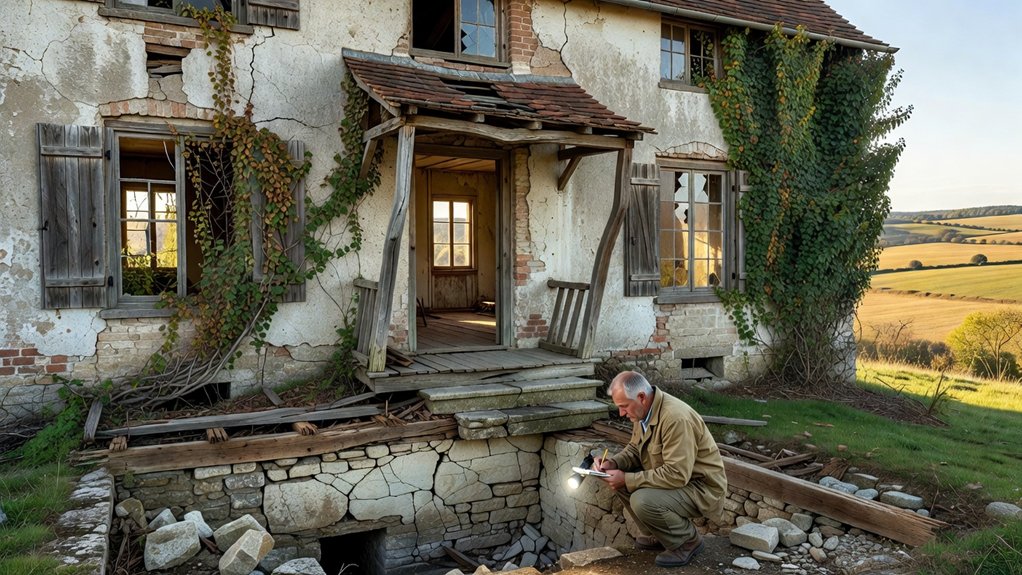
Before planning renovations, inspect the farmhouse from foundation to roof to understand what needs repair and what’s worth preserving. Walk the property with a qualified inspector or structural engineer, and document cracks, sagging floors, leaks, rot, and signs of pests.
Check the foundation, framing, roof, chimneys, wiring, plumbing, and drainage; hidden moisture can undermine structural integrity long before damage becomes obvious. Note which original features remain, including woodwork, windows, flooring, and masonry.
Their condition and craftsmanship can guide historic preservation decisions, while local preservation rules may affect what you can alter. Photograph each room and exterior elevation, and record concerns by location.
Ask specialists to investigate uncertain problems rather than guessing. A thorough assessment gives you a reliable picture of the farmhouse’s risks, sound materials, and renovation potential.
Set a Farmhouse Renovation Budget and Priorities
Set a realistic budget based on your inspection, contractor estimates, and a contingency for unexpected costs.
Prioritize essential repairs that protect the farmhouse’s structure, safety, and weather resistance.
Then allocate what remains to upgrades and cosmetic improvements.
Set a Realistic Budget
A farmhouse renovation can quickly exceed expectations, so define your budget before choosing finishes or starting work. Begin by listing every planned expense, including design fees, permits, materials, labor, temporary accommodation, and utility costs.
Get multiple contractor quotes, then compare what each includes rather than choosing on price alone. Research local material and labor rates to ground your estimates in current conditions.
Set aside a contingency of at least 15 to 20 percent for price changes and unexpected costs. Decide what you can fund without relying on optimistic estimates, and track spending against that limit throughout the project.
Rank optional upgrades by value, including garden landscaping and interior decor styles, so you can adjust their scope if costs rise. Keep your budget accessible, update it regularly, and confirm each purchase fits before committing.
Prioritize Essential Repairs
Once you’ve established your budget, direct funds first to repairs that protect the farmhouse and keep it safe. Ask a qualified inspector to assess the foundation, roof, drainage, wiring, plumbing, and heating system. Address structural damage, active leaks, faulty electrical work, and hazardous materials before cosmetic upgrades. These problems can worsen quickly, threaten occupants, and inflate later costs.
Next, rank remaining work by urgency, code requirements, and impact on daily use. Get written estimates, include a contingency for hidden damage, and reserve funds for essential materials. Don’t commit your entire budget to finishes before contractors uncover what lies behind walls or beneath floors.
Plan Modern amenities and Landscaping plans after the building’s envelope and core systems are sound. You’ll protect your investment, avoid rework, and create a safer, more comfortable farmhouse without sacrificing future goals.
Repair the Farmhouse Structure First
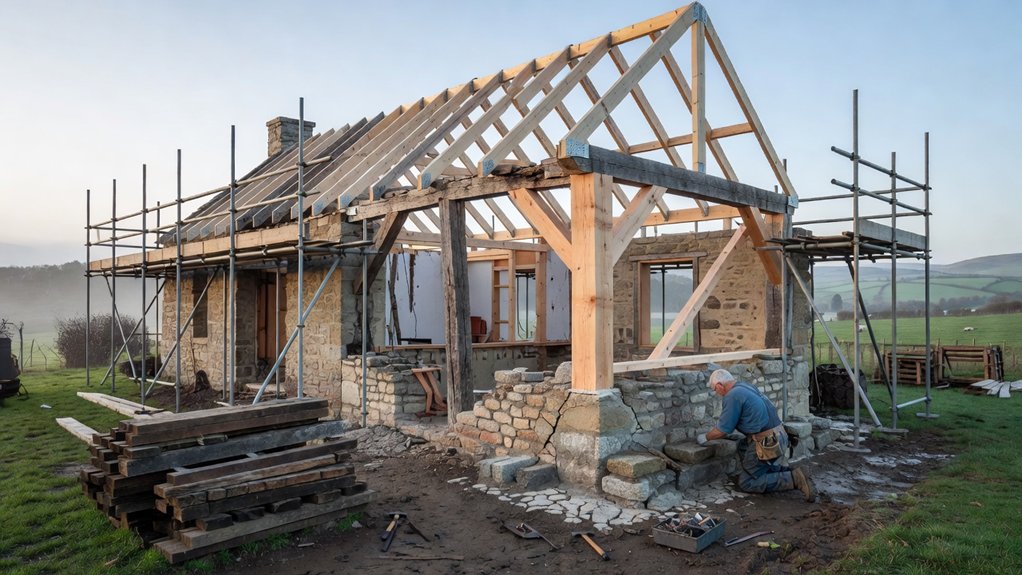
Before choosing finishes or planning room layouts, make the farmhouse safe and sound. Hire a qualified structural engineer to assess foundation stability, load-bearing walls, beams, floors, and roof framing. Ask for a written report that identifies hazards, their causes, and the correct repair sequence. Don’t cover cracks or sagging with cosmetic fixes; those signs may point to movement, water damage, or failing supports.
Address drainage and leaks that threaten the structure, then stabilize the foundation and repair compromised framing. Use appropriate materials and follow local codes, permits, and engineering specifications.
If you find rot, insect damage, or shifting masonry, have a specialist determine how much material needs replacement. Check the work before closing walls or ceilings.
These steps protect structural integrity, prevent costly rework, and give every later renovation a dependable base.
Restore Original Farmhouse Character
With the farmhouse structure sound, you can focus on restoring the details that give it character. Start by documenting original features, including trim, doors, hardware, and exposed beams.
Compare what remains with old photographs or local examples of Farmhouse architecture, then repair rather than replace whenever materials are sound.
Strip paint carefully, test finishes for lead, and preserve age marks that add authenticity.
If you need replacement pieces, match the original wood species, profiles, and proportions.
Choose historically appropriate colors, but don’t force a period look where evidence is limited.
Layer in Vintage decor selectively: a worn bench or antique mirror can complement original details without making rooms feel staged.
Keep additions reversible where possible, and let the farmhouse’s craftsmanship—not imitation—guide your choices.
Update the Kitchen, Baths, and Utilities
After restoring the farmhouse’s character, update its kitchen, baths, and utilities for safe, reliable daily use. Start with a professional inspection of wiring, plumbing, heating, and ventilation. Replace unsafe systems before closing walls, and confirm that upgrades meet current codes.
In the kitchen, plan appliance upgrades around your cooking habits, available space, and electrical capacity. Improve task lighting over counters and work areas; thoughtful lighting enhancements can make everyday tasks safer without compromising the room’s function.
In bathrooms, address leaks, drainage, waterproofing, and ventilation to prevent costly moisture damage. Choose efficient fixtures that maintain dependable water pressure, and install accessible shutoffs for easier maintenance.
Test every system before finishing the renovation, document new equipment, and keep warranties and service details together. These practical steps help you protect your investment and enjoy dependable comfort through every season.
Choose Farmhouse Finishes That Feel Like Home
Choose warm, natural materials like wood, stone, and linen to give your farmhouse a grounded, welcoming feel.
Pair rustic textures with refined details, such as simple trim or polished hardware, to keep rooms balanced.
Let durability and comfort guide your choices so the finishes feel right for everyday life.
Choose Warm, Natural Materials
Natural materials give a farmhouse warmth and character that synthetic finishes can’t replicate. As you plan each room, choose finishes that suit the home’s age, climate, and daily use.
Natural wood brings texture and depth to floors, beams, cabinetry, and trim. Check reclaimed boards for pests, rot, and old coatings before installation, and seal them with a finish suited to the room.
For counters and floors, compare stone, brick, and terracotta samples in the actual light; their color can shift throughout the day.
Warm textiles, such as wool, linen, and cotton, soften hard surfaces while remaining practical. Select washable fabrics for busy areas and durable weaves for upholstery.
You don’t need to use every material everywhere. Repeat a few thoughtfully, and your farmhouse will feel cohesive, comfortable, and grounded.
Balance Rustic and Refined Details
A farmhouse feels balanced when rustic character meets clean, considered details. Preserve original features such as exposed beams, worn floorboards, or a brick hearth to retain vintage charm. Then pair them with restrained updates: simple cabinet fronts, streamlined lighting, and crisp hardware. This contrast gives you modern elegance without making the home feel staged or overly polished.
Choose finishes that share a consistent palette. Warm wood, muted paint, and aged metal can connect old and new across rooms. If you keep a rough surface, balance it with a smooth one nearby, such as plaster beside reclaimed timber.
Avoid adding rustic accents everywhere; too many distressed finishes can make a space feel themed. Instead, let a few authentic details lead, and use clean lines to support them. Your choices should feel practical, personal, and suited to daily life.
Bring the Renovated Farmhouse Together
Now that the renovation is complete, bring each room together with a consistent palette, repeated materials, and thoughtful shifts. Let warm wood, muted paint, and natural stone connect spaces without making them feel identical. Carry one finish, such as aged brass, through lighting and hardware for a quiet sense of continuity.
Use rugs, art, and textiles to define each room’s purpose while keeping colors related. In the kitchen, pair practical surfaces with details that echo the farmhouse’s original character. In bedrooms and living areas, layer lighting so you can adjust the mood and meet everyday needs.
Historic preservation and Modern amenities can coexist when you highlight original features and choose contemporary fixtures that complement them. Before adding more décor, step back and check sightlines, circulation, and visual balance.
Your finished home should feel cohesive, comfortable, and unmistakably yours.
Frequently Asked Questions
How Long Does a Full Farmhouse Renovation Typically Take?
A full farmhouse renovation typically takes 6 to 18 months. The age and condition of your home can stretch that timeline, but careful planning helps you stay on track.
You’ll need time for inspections, permits, structural repairs, and finishing work.
Researching your farmhouse history can reveal hidden issues before construction begins.
Build a realistic schedule, coordinate contractors early, and set aside contingency funds, since renovation costs and material delays can change your plans.
Do I Need Permits to Renovate a Farmhouse?
Yes, you’ll usually need permits for significant farmhouse renovations, especially structural changes, electrical or plumbing work, additions, and septic upgrades.
Check with your local building department before starting; requirements vary by location and project scope.
You must also meet current Building codes, even when renovating an older home.
If your farmhouse is designated historic or lies in a protected district, contact your Historic preservation office first, since extra reviews or approvals may apply.
Should I Live Elsewhere During the Renovation?
If your farmhouse renovation brings dust, noise, exposed wiring, or disrupted utilities, you should live elsewhere; staying can turn home life into an obstacle course. Temporary relocation gives you a cleaner, calmer place to sleep while crews work.
Prioritize Home safety, especially if children, pets, or anyone with respiratory concerns lives with you.
For limited cosmetic work, you may stay if contractors can safely isolate work areas and maintain essential services.
Plan your move around the project schedule.
How Can I Find Contractors Experienced With Historic Farmhouses?
Find contractors through local historic-preservation groups, preservation architects, and owners of restored farmhouses.
Ask candidates for references and photos of comparable projects, then contact those clients about workmanship, budgets, and surprises.
Verify licensing, insurance, and relevant certifications, and request a detailed, itemized proposal.
During interviews, ask how they approach Historic preservation, which Restoration techniques they use, and how they handle original materials.
Choose someone who explains trade-offs clearly and respects your home’s character.
Can I Renovate a Farmhouse in Stages?
Yes, you can renovate a farmhouse in stages, and a phased plan can make costs more manageable. Start with safety and weatherproofing: stabilize the structure, repair the roof, and address electrical, plumbing, or foundation hazards.
Then prioritize essential systems before cosmetic updates. For effective Renovation budgeting, price each phase, include a contingency, and avoid work that must be redone later.
Protect original materials throughout to support Farmhouse preservation and maintain the home’s character.
Leave a Reply